$99 New Patient Special - Includes Exam, X-Ray and Basic Cleaning

Why Teeth Whitening Sensitivity Happens (And How to Prevent It)

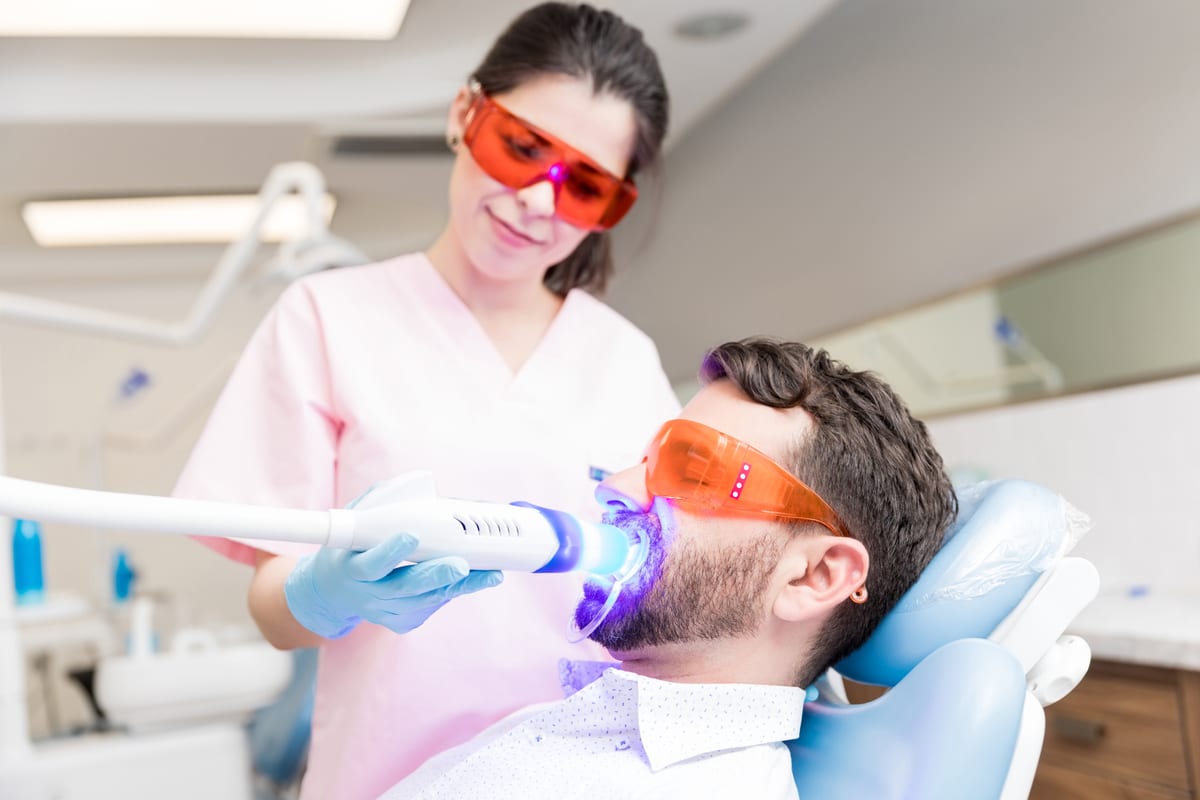
Teeth whitening is one of the most popular smile upgrades available today. But many Georgetown patients pause when they hear about sensitivity. Understanding why teeth whitening sensitivity happens — and how to prevent it — can help you make a confident, informed decision. At Westinghouse Dental Georgetown, Dr. Wicheta guides every patient through a safe, comfortable whitening experience.
Why Teeth Whitening Sensitivity Happens in Georgetown Patients
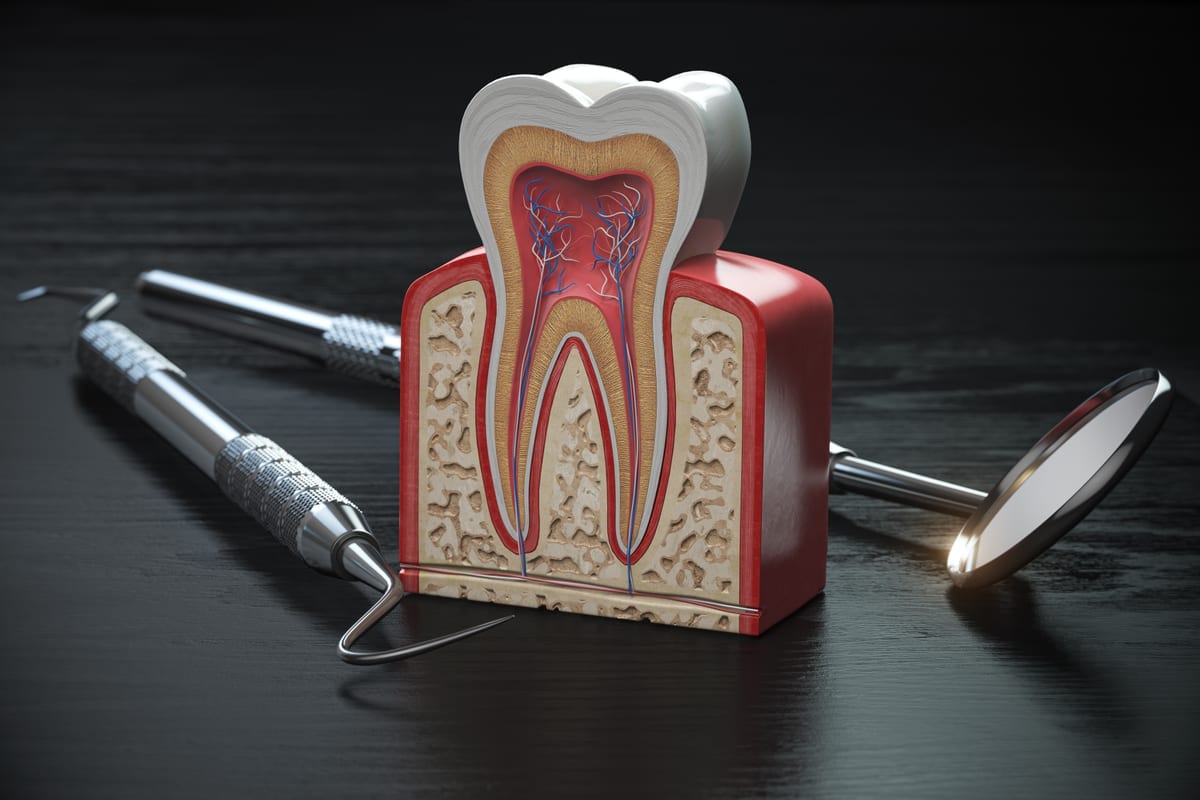
Whitening products use peroxide-based agents to break down stains on tooth enamel. These agents can temporarily open tiny channels in the enamel called dentinal tubules. When those channels are open, stimuli like cold air or hot drinks reach the nerve more easily. That’s what creates the familiar sharp, brief sensitivity some patients notice.
Not every patient experiences the same level of discomfort. People with naturally thinner enamel or existing gum recession tend to feel more sensitivity. Pre-existing cracks or worn enamel can also amplify the effect. Knowing your starting point helps Dr. Wicheta personalize your treatment plan from the beginning.
Over-the-counter whitening strips can sometimes cause stronger sensitivity. This happens because patients often use them incorrectly or too frequently. Professional whitening, by contrast, uses carefully calibrated concentrations. That precision makes a meaningful difference in comfort levels.
How Dr. Wicheta Minimizes Whitening Sensitivity
Professional whitening at Westinghouse Dental Georgetown begins with a thorough oral health exam. Dr. Wicheta checks for cavities, gum issues, and enamel wear before any whitening begins. Treating those concerns first protects you from unnecessary discomfort. This step alone sets professional care apart from at-home kits.
Custom-fitted whitening trays play a major role in reducing sensitivity. They ensure the gel stays on your teeth — not your gums. Gum exposure to whitening agents is a leading cause of irritation. A precise fit prevents that from happening entirely.
Dr. Wicheta may also recommend desensitizing treatments before or after whitening. These products contain ingredients like potassium nitrate or fluoride. They help calm nerve activity and strengthen enamel. Patients often report a noticeably more comfortable experience when these steps are included.
Part of this care falls under the broader umbrella of Cosmetic Dentistry Georgetown, where every treatment is designed with your comfort and confidence in mind. Dr. Wicheta’s approach prioritizes your long-term oral health alongside aesthetic results.
What You Can Do at Home to Prevent Sensitivity
Your habits before and after whitening make a real difference. Here are practical steps Georgetown patients can take to minimize sensitivity at home:
- Switch to a sensitivity-formulated toothpaste at least two weeks before treatment
- Avoid very hot or very cold foods and drinks on whitening days
- Use a soft-bristled toothbrush to avoid aggravating enamel
- Do not exceed the recommended whitening schedule — more is not better
- Rinse with a fluoride mouthwash after whitening sessions to strengthen enamel
- Stay away from highly acidic foods like citrus or vinegar-based dressings post-treatment
Sensitivity-formulated toothpastes work by blocking those open dentinal tubules. They don’t reverse sensitivity instantly, so starting early matters. Consistent use in the days leading up to whitening prepares your teeth. Think of it as a warm-up for your enamel.
Avoiding acidic foods post-treatment is equally important. Acid temporarily softens enamel, making those tubules even more vulnerable. A few hours of care after each session can protect your results. Small adjustments can significantly reduce discomfort.
When Sensitivity Is a Warning Sign
Mild, short-lived sensitivity after whitening is normal and expected. It typically fades within 24 to 48 hours. However, prolonged or severe pain is a different story. That level of discomfort warrants a call to Dr. Wicheta right away.
Severe sensitivity can sometimes signal an underlying issue. Untreated cavities, cracked teeth, or exposed roots may need attention first. Whitening before addressing these problems can worsen discomfort significantly. This is another reason a professional exam is so important before starting any whitening treatment.
In rare cases, a patient may experience a sudden dental emergency related to tooth structure. If you have sudden, severe tooth pain after whitening, seek care promptly. Emergency Dentistry Georgetown is available at Westinghouse Dental to address urgent concerns quickly. You should never feel alone when dental discomfort strikes unexpectedly.
What to Expect: A Typical Whitening Journey
Understanding the process can ease any anxiety you may feel. Here is what a typical professional whitening experience looks like at Westinghouse Dental Georgetown:
- Consultation: Dr. Wicheta reviews your dental history and checks enamel health
- Pre-treatment care: Any cavities or gum issues are addressed beforehand
- Custom tray fitting: Impressions are taken for a precise, comfortable fit
- Whitening sessions: You follow a schedule tailored to your sensitivity level
- Post-treatment review: Dr. Wicheta evaluates your results and provides aftercare guidance
This structured approach ensures you’re never guessing about your next step. Each stage is designed to maximize your comfort and results. Georgetown patients consistently appreciate the personal attention Dr. Wicheta provides throughout the process. You leave not just with a brighter smile, but with the knowledge to maintain it.
Conclusion: A Brighter Smile Without the Discomfort
Sensitivity doesn’t have to stand between you and a whiter smile. Understanding why teeth whitening sensitivity happens — and how to prevent it — puts you in control. With expert guidance from Dr. Wicheta and the team at Westinghouse Dental Georgetown, your whitening experience can be both effective and comfortable. Book Now to schedule your appointment with our team.
Frequently Asked Questions
Is teeth whitening sensitivity permanent?
No, whitening sensitivity is almost always temporary. Most patients notice it fades within 24 to 48 hours after a session. If sensitivity lasts longer or feels severe, contact Dr. Wicheta at Westinghouse Dental Georgetown for an evaluation.
Can I whiten my teeth if I already have sensitive teeth?
Yes, but extra precautions are important. Dr. Wicheta will assess your enamel and gum health before recommending a whitening approach. Desensitizing treatments and lower-concentration gels can make the process much more comfortable for sensitive patients.
How long does whitening sensitivity last after treatment?
For most Georgetown patients, sensitivity lasts between 24 and 48 hours after each whitening session. Using a sensitivity toothpaste and avoiding extreme temperatures during that window helps significantly. Persistent sensitivity beyond two days should be discussed with your dentist.
Does professional whitening cause more sensitivity than store-bought kits?
Actually, professional whitening is typically better controlled and less likely to cause prolonged sensitivity. Dr. Wicheta uses calibrated gel concentrations and custom trays that minimize gum exposure. Over-the-counter strips are often misused, which can lead to greater irritation.
How often can I safely whiten my teeth?
This depends on your individual enamel health and the whitening method used. Most patients benefit from professional whitening once or twice a year. Dr. Wicheta will recommend a maintenance schedule that keeps your smile bright without compromising your enamel or causing recurring sensitivity.