
$99 New Patient Special - Includes Exam, X-Ray and Basic Cleaning

Root Canal vs. Extraction: Which Saves Your Smile and Your Wallet

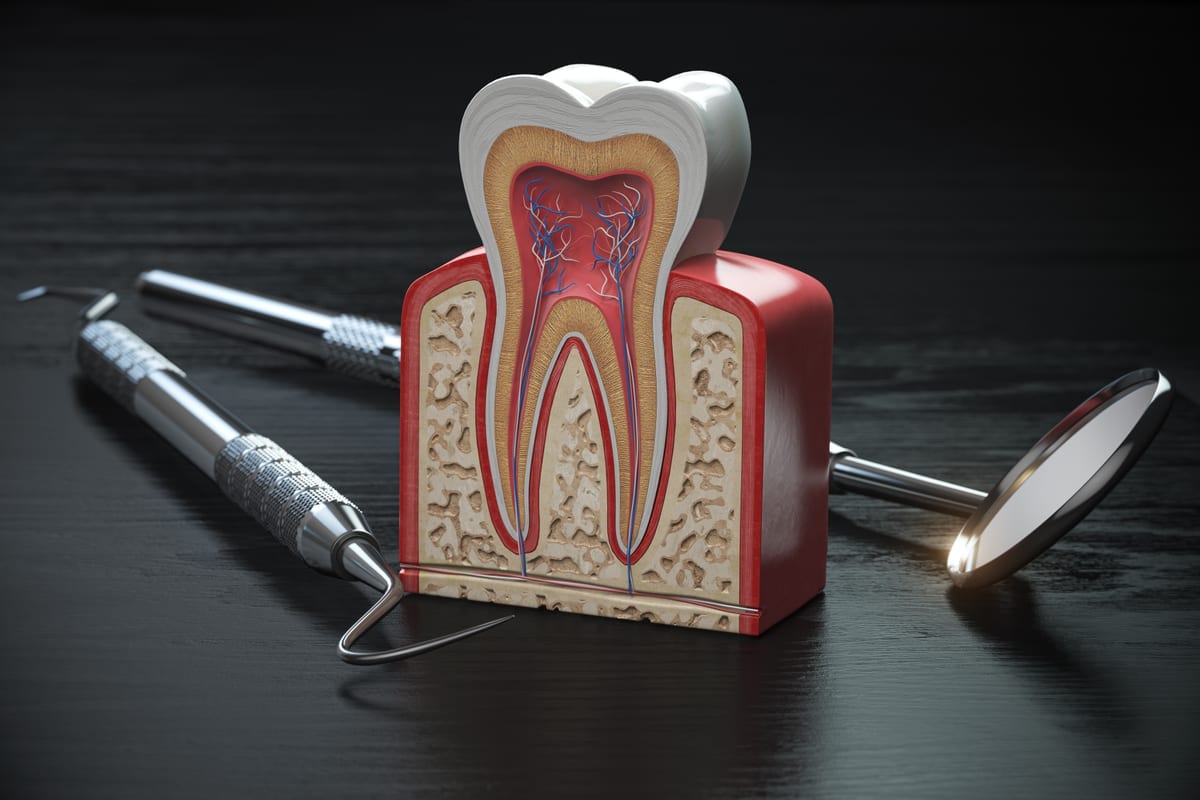
When a tooth is severely damaged or infected, Georgetown patients face a critical choice. The debate over root canal vs. extraction — which saves your smile and your wallet in Georgetown — is one Dr. Wicheta hears often at Westinghouse Dental Georgetown. Both options can relieve pain, but they lead to very different outcomes. Understanding those differences helps you make a confident, informed decision.
Root Canal vs. Extraction in Georgetown: What Each Procedure Actually Involves
A root canal removes infected tissue from inside the tooth. The dentist cleans the canals, fills them with a biocompatible material, and seals the tooth. A crown often follows to protect the restored tooth. The natural tooth stays in your mouth and continues to function normally.
A tooth extraction is the complete removal of the tooth from its socket. It is a faster procedure in the short term. However, the story does not end there. The gap left behind can trigger a chain of dental problems over time.
Both procedures require local anesthesia. Most patients find the discomfort of a modern root canal comparable to getting a filling. Extraction recovery can actually involve more post-procedure soreness, especially with surgical extractions.
Comparing the Costs: Root Canal vs. Extraction in Georgetown
Many patients assume extraction is the cheaper path. Upfront, that is sometimes true. A simple extraction costs less than a root canal plus crown. However, the total long-term cost often tells a different story.
After extraction, the missing tooth creates problems. Neighboring teeth shift into the gap. Bone loss begins in the jaw within months. Replacing that tooth typically requires a dental bridge or implant — both of which carry significant costs.
- Root canal plus crown: a one-time investment that preserves your natural tooth
- Extraction plus dental bridge: involves preparing adjacent healthy teeth as anchors
- Extraction plus implant: the gold-standard replacement but involves surgery and healing time
- Extraction with no replacement: the lowest upfront cost but the highest long-term health risk
When you factor in replacement costs, a root canal often saves money over five to ten years. Dr. Wicheta walks every patient through a realistic cost comparison before any decision is made.
Long-Term Health Impact: Why Saving the Natural Tooth Usually Wins
Your natural tooth is not just a chewing tool. It anchors your jawbone and keeps surrounding teeth in proper alignment. When that tooth disappears, the jawbone begins to resorb. That bone loss changes your facial structure over time.
Shifting teeth can lead to bite problems, jaw pain, and uneven wear. These complications often require orthodontic correction or additional dental work. Preserving the natural tooth avoids this cascade of issues entirely.
Root canal treatment also protects your overall oral health. Untreated infection can spread to neighboring teeth and even into the bloodstream. Removing that infection — while keeping the tooth — is often the most responsible choice for your health.
- Natural teeth preserve jawbone density better than any replacement
- Chewing efficiency stays higher with a restored natural tooth
- No risk of implant failure or bridge complications
- Maintains the natural alignment of your bite
- Supports long-term Cosmetic Dentistry Georgetown results by keeping your smile structure intact
When Extraction Is the Right Answer
Root canals are not always the correct choice. Some situations make extraction the most sensible option. Dr. Wicheta assesses each case carefully before making any recommendation.
Extraction may be necessary when a tooth is fractured below the gum line. Severe structural damage can make restoration impossible. In these cases, saving the tooth is simply not feasible.
Advanced periodontal disease is another factor. If the supporting bone and gum tissue are severely compromised, a restored tooth may not have a stable foundation. Extraction followed by a planned replacement becomes the better path forward.
Overcrowding for orthodontic treatment is a third scenario. Some patients need strategic extractions to create space for proper alignment. These situations are very different from an infected tooth scenario.
What to Expect During Recovery
Root canal recovery is typically mild. Most patients return to normal activities within a day or two. Some sensitivity in the area is normal for a short period. Over-the-counter pain relievers manage discomfort effectively for most people.
Extraction recovery varies by complexity. Simple extractions heal within one to two weeks. Surgical extractions involving bone or tissue take longer. A blood clot forms in the socket and must remain undisturbed to prevent dry socket.
If you experience sudden severe pain, swelling, or fever after either procedure, contact Westinghouse Dental Georgetown right away. These could signal a complication that needs prompt attention. Emergency Dentistry Georgetown services are available for urgent dental situations.
How Dr. Wicheta Helps You Decide
The right answer depends on your specific tooth, your overall oral health, and your long-term goals. Dr. Wicheta takes digital X-rays and performs a thorough clinical exam before recommending anything. Every recommendation is grounded in evidence and your individual needs.
Westinghouse Dental Georgetown serves patients throughout Georgetown, TX with honest, patient-centered care. The goal is always to help you keep your natural teeth whenever it is clinically appropriate. When extraction is unavoidable, Dr. Wicheta discusses every replacement option clearly and thoroughly.
You deserve a dentist who gives you real information — not just a quick fix. Understanding the root canal vs. extraction decision is the first step toward protecting your smile and your long-term dental investment. Book Now to schedule your appointment with our team.
Frequently Asked Questions
Is a root canal more painful than a tooth extraction?
Modern root canals are performed under local anesthesia and are generally no more painful than a standard filling. Many patients report that the relief from the infection feels almost immediate. Extraction can sometimes involve more post-procedure soreness, particularly with surgical cases.
How long does a root canal last compared to a replacement after extraction?
A properly restored tooth after root canal treatment can last a lifetime with good oral hygiene. Dental bridges typically last ten to fifteen years before needing replacement. Implants can last decades but require healing time and additional procedures.
Will my tooth look normal after a root canal?
Yes. After root canal treatment, a dental crown is usually placed over the tooth. The crown is matched to the color and shape of your surrounding teeth. Most patients cannot tell the difference between the restored tooth and their natural teeth.
What happens if I leave an infected tooth untreated?
An untreated dental infection does not resolve on its own. It can spread to surrounding teeth, gum tissue, and in serious cases, the jaw or bloodstream. Seeking treatment promptly — whether root canal or extraction — is essential for your overall health.
Can I get a root canal if my tooth is already cracked?
It depends on the extent and location of the crack. A hairline crack in the crown of the tooth may still be treatable with a root canal and crown. A crack extending below the gum line or through the root usually makes the tooth unsalvageable, and extraction becomes necessary.