$99 New Patient Special - Includes Exam, X-Ray and Basic Cleaning

Dental Bridges Last 10-15 Years: Here’s What Extends That Timeline


Dental bridges last 10-15 years for most patients in Georgetown — but that number is not fixed. Some patients replace their bridge after eight years. Others enjoy a healthy, functional bridge well past the 15-year mark. The difference almost always comes down to daily habits, professional care, and the decisions made at the start of treatment. Understanding what drives bridge longevity helps you protect your investment and your smile for the long haul.
Why Dental Bridges Last 10-15 Years on Average in Georgetown
A dental bridge replaces one or more missing teeth. It anchors to the natural teeth on either side of the gap, called abutment teeth. The replacement tooth — called a pontic — sits in the middle and fills the space. The bridge stays in place permanently, unlike dentures, which can be removed.
The 10-15 year lifespan comes from how dental materials behave over time. Porcelain and ceramic can chip or crack under repeated pressure. The cement that bonds the bridge to abutment teeth can weaken gradually. And the abutment teeth themselves are still at risk for decay and gum disease.
That means the clock starts ticking the moment your bridge is placed. But the rate at which it ticks depends almost entirely on you and your care team.
What Shortens the Lifespan of Your Dental Bridge
Several habits and conditions accelerate bridge wear. Knowing them helps you avoid unnecessary early replacement.
- Teeth grinding or clenching (bruxism): This puts enormous force on the bridge and abutment teeth, leading to cracks and loosening.
- Hard or sticky foods: Chewing ice, hard candies, or sticky caramel can dislodge or fracture a bridge over time.
- Poor oral hygiene: Plaque buildup under the pontic and around abutment teeth accelerates decay and gum disease.
- Skipping dental checkups: Small problems go undetected and become costly failures when professional monitoring stops.
- Untreated gum disease: Periodontal disease weakens the bone and tissue supporting the abutment teeth, destabilizing the entire bridge.
Bruxism is especially damaging. Many Georgetown patients don’t know they grind at night. If Dr. Wicheta identifies signs of grinding during your exam, a custom nightguard can significantly extend your bridge’s life.
What Extends Your Bridge’s Timeline — Practical Steps That Work
The good news is that most of what shortens a bridge’s lifespan is preventable. These strategies make a real, measurable difference.
- Brush twice daily: Use a soft-bristled toothbrush and fluoride toothpaste. Clean around the base of the crown on both sides of the bridge.
- Floss under the pontic: Use a floss threader or water flosser to clean beneath the bridge. This removes plaque that a toothbrush cannot reach.
- Schedule cleanings every six months: Professional cleanings remove hardened tartar and allow early detection of developing issues.
- Wear a nightguard if prescribed: This protects the bridge from grinding forces while you sleep.
- Avoid chewing with excessive force: Cut tough foods into smaller pieces. Don’t use your teeth as tools.
Dr. Wicheta and the team at Westinghouse Dental Georgetown work with every patient to build a personalized maintenance plan. Good habits at home, combined with consistent professional care, are the two most powerful factors in extending your bridge’s timeline.
The Role of Abutment Teeth in Bridge Longevity
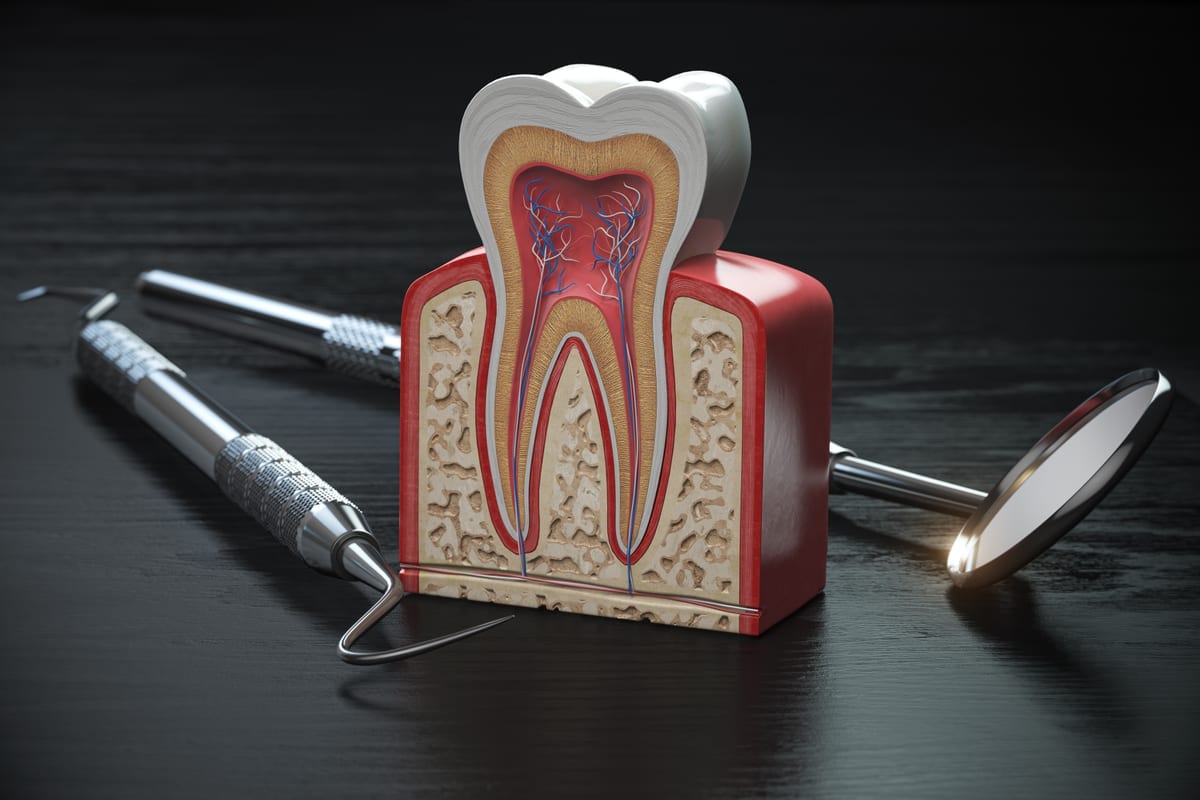
Your bridge is only as strong as the teeth supporting it. Abutment teeth carry the full load of the bridge and the biting forces it endures every day. If decay develops on an abutment tooth, or if gum disease erodes the bone beneath it, the bridge can fail — even if the bridge material itself is in perfect condition.
This is why protecting your abutment teeth is non-negotiable. Decay under a dental crown is one of the most common reasons bridges fail prematurely. It often develops slowly and without pain, which makes regular checkups critical.
In some cases, a tooth beneath a crown develops a deep infection. If that happens, Root Canal Therapy Georgetown can save the abutment tooth and preserve the bridge’s foundation. Acting quickly when symptoms appear — sensitivity, pressure, or mild pain — can mean the difference between saving and losing the tooth.
Gum health matters just as much as tooth health. Our team at Westinghouse Dental Georgetown monitors your gum tissue and bone levels at every visit. Early intervention in periodontal health keeps the structural foundation of your bridge stable for years.
When to Call Us Between Appointments
Not every bridge problem happens during a scheduled visit. Knowing the warning signs helps you act before small issues become serious ones.
Contact our Georgetown office promptly if you notice any of the following:
- The bridge feels loose or shifts when you bite down
- Sensitivity or pain around the abutment teeth
- Visible chips or cracks in the bridge material
- Swelling, bleeding, or discomfort in the surrounding gum tissue
- A bad taste or odor that doesn’t resolve with brushing
Some of these symptoms point to a dental emergency. If you experience sudden severe pain or trauma to the bridge area, Emergency Dentistry Georgetown is available to address urgent concerns quickly and prevent further damage.
Don’t wait for your next scheduled cleaning if something feels wrong. Early treatment almost always results in a simpler, less costly solution.
Planning for the Future: What Happens When a Bridge Reaches the End of Its Life
Even a well-maintained bridge will eventually need replacement. Around the 10-15 year mark, your dentist will start monitoring for signs of wear, changes in fit, or deterioration in the abutment teeth.
Replacement doesn’t always mean starting over. In many cases, the abutment teeth remain healthy enough to support a new bridge. The process is similar to the original placement, and modern materials are stronger and more lifelike than ever before.
Some patients choose to explore dental implants when their bridge reaches end of life. Implants don’t rely on abutment teeth and are considered a longer-lasting solution. Dr. Wicheta can walk you through all your options based on your specific oral health picture.
Whatever path you choose, staying informed and staying consistent with care gives you the best possible outcomes at every stage.
Conclusion
A dental bridge is a reliable, long-lasting tooth replacement — but its lifespan is largely in your hands. Daily hygiene, regular professional care, and quick action when problems arise are the pillars of a bridge that lasts well beyond the average timeline. At Westinghouse Dental Georgetown, Dr. Wicheta and our team are here to support you at every stage of your bridge’s life. Book Now to schedule your appointment with our team.
Frequently Asked Questions
How long do dental bridges actually last in Georgetown?
Most dental bridges last between 10 and 15 years with proper care. Some patients see bridges last longer when they maintain excellent oral hygiene, attend regular checkups, and avoid habits like grinding or chewing hard foods.
What is the most important thing I can do to extend my bridge’s lifespan?
Cleaning under and around the bridge daily is the single most impactful habit. Use a floss threader or water flosser to remove plaque beneath the pontic, and brush the area around the abutment crowns thoroughly twice a day.
Can a dental bridge fail even if I take good care of it?
Yes, it is possible. Decay can develop under the abutment crowns, or gum disease can weaken the supporting bone over time. That is why regular professional monitoring is essential — your dentist can catch early warning signs before they lead to bridge failure.
What happens if my abutment tooth gets infected under the bridge?
A root canal may be needed to save the abutment tooth. If the tooth can be preserved through treatment, the bridge can often remain in place or be replaced with the same abutment. Prompt treatment gives you the best chance of keeping the bridge stable.
Is it normal for a bridge to feel slightly different over time?
Some minor changes in feel can occur as your bite shifts naturally over the years. However, if the bridge feels loose, causes pain, or noticeably shifts when you bite, you should contact your dentist right away. Changes in fit should be evaluated promptly to prevent further damage.