$99 New Patient Special - Includes Exam, X-Ray and Basic Cleaning

How to Protect Your Dental Bridge: Aftercare Advice from Westinghouse Dental

Dental bridges are a popular solution for replacing missing teeth, restoring both function and appearance. After getting a bridge, it’s essential to follow proper aftercare practices to ensure it stays in good condition for years to come. At Westinghouse Dental, we believe that maintaining your dental bridge is key to avoiding complications like tooth decay, discomfort, or even the need for costly repairs.
In this blog, we’ll share professional aftercare tips to help protect your tooth bridge and keep it in great shape. Whether you’re new to dental bridges or have had one for a while, the right care can make all the difference.
What is a Dental Bridge?
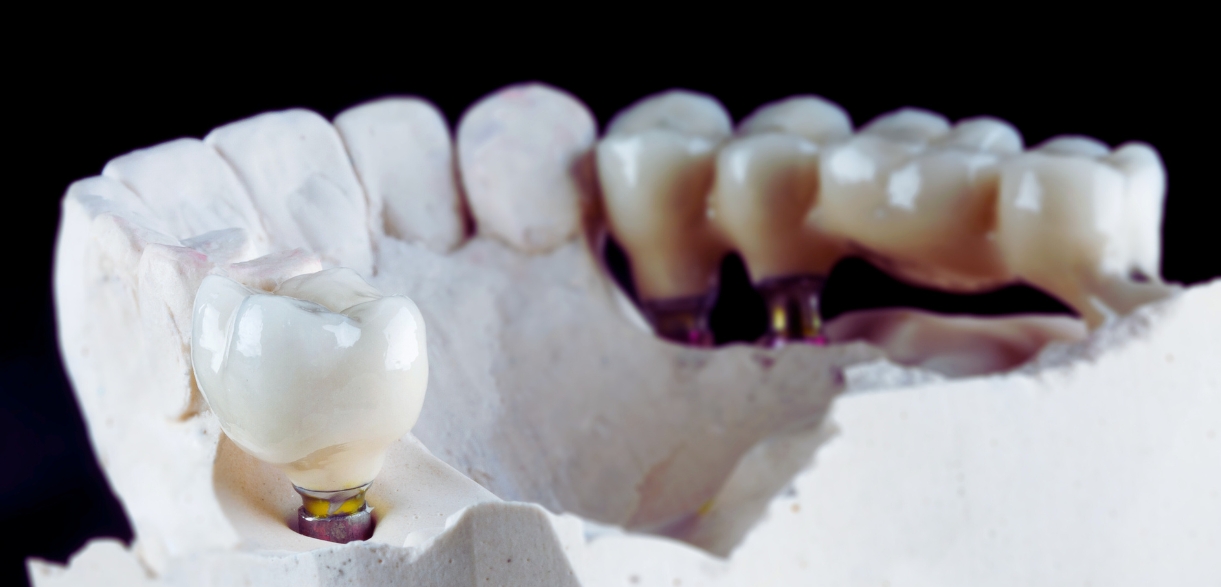
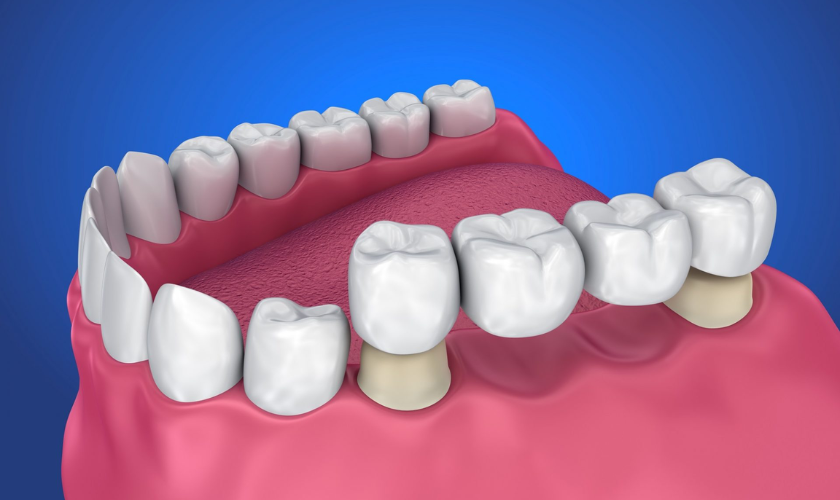
A dental bridge is a fixed restoration used to replace one or more missing teeth. It literally “bridges” the gap left by missing teeth by attaching to the adjacent natural teeth, called abutments, or dental implants.
Dental bridges in Georgetown are typically made of durable materials such as porcelain, ceramic, or metal, which are designed to blend seamlessly with your natural teeth. The purpose of a bridge is not only aesthetic but also functional, restoring your ability to chew and speak properly.
However, just like natural teeth, bridges require maintenance. Without proper care, bridges can loosen, become damaged, or cause irritation to the gums or abutment teeth. Keeping your dental bridge clean and well-maintained is essential to prevent plaque buildup, decay, or gum disease, all of which can affect the longevity of your bridge. Regular care ensures that your bridge stays comfortable and effective for many years.
Aftercare Tips for Protecting Your Dental Bridge
Good Oral Hygiene Practices
Maintaining good oral hygiene is crucial for the longevity of your tooth bridge. Brushing your teeth at least twice a day with a soft-bristled toothbrush will help remove food particles and plaque that can accumulate around the bridge. Special attention should be paid to the area where the bridge meets the abutment teeth to prevent gum disease and decay.
Flossing daily around your bridge is also vital to remove debris that a toothbrush might miss. If traditional flossing is difficult, consider using a floss threader or interdental brush to clean between the bridge and adjacent teeth.
Avoid Hard and Sticky Foods
One of the best ways to protect your tooth bridge is by avoiding foods that could damage it. Sticky candies, hard nuts, and ice can loosen or crack your bridge, potentially leading to costly repairs.
While you don’t need to avoid all your favorite foods, it’s important to be mindful of what you eat, especially during the first few months after getting your bridge. Cutting back on hard and sticky foods helps prevent unnecessary wear and tear on your bridge.
Regular Checkups
Visiting your dentist regularly is essential to monitoring the condition of your dental bridges in Georgetown. During your checkups, your dentist will examine the bridge, check for signs of wear, and make adjustments if necessary.
Regular professional cleanings also help maintain the health of your gums and surrounding teeth, ensuring that the foundation for your bridge remains strong.
Use of a Night Guard
If you grind your teeth at night, it can put unnecessary pressure on your dental bridge, causing it to loosen or crack.
A night guard can protect your bridge from the damaging effects of bruxism (teeth grinding). Visit your dental office in Georgetown to get a custom-fit night guard to prevent any damage while you sleep.
Rinsing with Antibacterial Mouthwash
Rinsing your mouth with antibacterial mouthwash after brushing and flossing helps keep the area around your bridge clean and free from harmful bacteria. This can prevent gum infections and help maintain overall oral health.
Look for mouthwashes that target plaque and gingivitis for maximum benefit.
Signs Your Dental Bridge Needs Professional Attention
Even with proper care, there are times when your dental bridge may need professional attention. Here are some signs that it’s time to visit Westinghouse Dental:
- Loose or Shifting Bridges: If your bridge feels loose or starts shifting, it may be a sign that the abutment teeth are weakening or the bridge has worn down. Immediate attention is necessary to avoid further damage.
- Pain or Discomfort: If you experience sudden pain or sensitivity near the bridge, it could indicate that the underlying tooth or gums are inflamed or infected. Prompt attention can help prevent more serious issues.
- Changes in Bite or Fit: If you notice discomfort when chewing or feel that your bite has shifted, it may indicate that the bridge is misaligned. This can cause strain on surrounding teeth and should be addressed by your dentist.
Common Mistakes to Avoid
Neglecting Regular Cleaning
Failing to clean around your bridge properly can lead to plaque buildup, tooth decay, and gum disease. It’s essential to brush and floss regularly to avoid these issues. If cleaning is difficult, talk to your dentist about alternative tools or techniques to ensure thorough hygiene.
Skipping Dental Appointments
Skipping regular checkups is one of the most common mistakes patients make. Even if your dental bridge feels fine, it’s important to have it professionally examined. Your dentist can detect small issues before they turn into larger, more costly problems.
Regular visits help ensure that your bridge remains in optimal condition.
How Westinghouse Dental Can Help
At Westinghouse Dental, we’re committed to helping you maintain the health and longevity of your dental bridge. Our professional team provides proper care tailored to your needs, ensuring that your bridge stays in top condition. From regular checkups to offering personalized advice on bridge maintenance, we’re here to support you every step of the way.
If you’re experiencing any issues with your bridge, we offer quick adjustments and repairs to keep your smile intact. If you grind your teeth, we also offer custom-fit night guards to protect your tooth bridge from unnecessary damage.
Protecting your dental bridge is essential for maintaining a healthy, functional smile. With proper care, including regular brushing, flossing, and checkups, your bridge can last for many years. Avoiding hard and sticky foods, using a night guard, and rinsing with antibacterial mouthwash can further enhance your bridge’s longevity.
If you notice any signs that your bridge may need professional attention, don’t hesitate to reach out to Westinghouse Dental. Our team is ready to provide the professional care and personalized solutions you need.
Book your appointment today and take the first step toward preserving your dental bridge for the long term. At Westinghouse Dental, we’re here to help you smile with confidence!
FAQs
How does a dental bridge affect my speech?
Once the bridge is in place, your speech should return to normal. If you experience any speech changes, consult your dentist.
Can a dental bridge be repaired?
In some cases, a dental bridge can be repaired. However, if it is severely damaged, it may need to be replaced.
Should I avoid using mouthwash with alcohol after getting a dental bridge?
Yes, alcohol-based mouthwashes can irritate your gums and cause discomfort around the bridge. Use an alcohol-free mouthwash instead.
How can I tell if my dental bridge is damaged?
Signs of damage include pain when chewing, visible cracks, or changes in your bite. A dentist can evaluate and repair it.
How do I clean under a dental bridge?
You can clean under your dental bridge using dental floss or an interdental brush to remove plaque and food particles.