$99 New Patient Special - Includes Exam, X-Ray and Basic Cleaning

Solving Overbites and Underbites: Are You a Candidate for Invisalign?

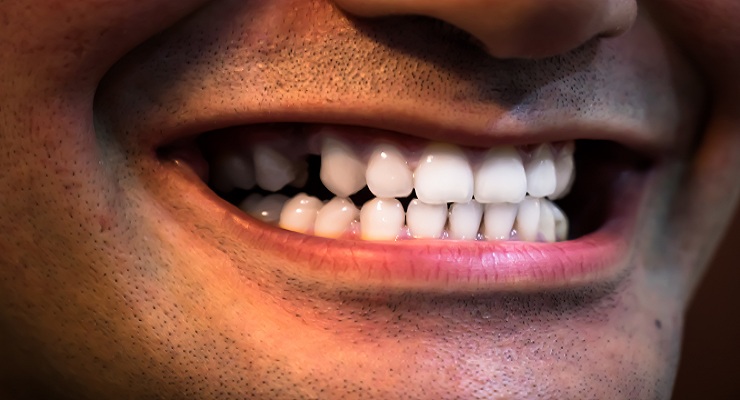
Some of the most common issues that people have with their smiles include overbites and underbites. These kinds of bite problems can affect more than just your appearance; they may also cause speech and eating difficulties and even provoke jaw pain. Fortunately, dental technology has advanced to the point where such problems can be resolved with Invisalign aligners.
Invisalign aligners provide a discreet, comfortable alternative to traditional braces, enabling you to straighten your teeth without visible metal. Many in our community have used Invisalign to solve their bite issues, but how do you know if it’s the right choice for you? This blog will cover how Invisalign works, how it compares to braces, and whether you might be a candidate for this treatment.
What are Overbites and Underbites?
There is an overbite when there is a great deal of overlap between the upper and lower teeth, and an underbite occurs when the lower teeth extend beyond the upper. These two conditions can lead to a series of problems, including difficulty chewing, increased tooth abrasion, and jaw pain. While many instances are mild and don’t require treatment, severe cases now need help from a dentist or orthodontist.
In the past, fixing these bite issues meant wearing traditional metal braces for months or even years. However, Invisalign in Georgetown TX, is a more modern and less noticeable way to straighten your teeth and correct your bite. This treatment involves a series of custom-made clear plastic aligners that gradually shift teeth into their correct position.
How Does Invisalign Work?
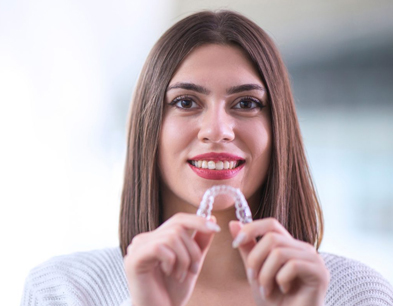
Invisalign uses a series of clear, removable aligners that you wear over your teeth. The aligners are customized for each patient individually. Every couple of weeks, you will switch out your aligners for the next set in the series, gradually moving your teeth into place.
Invisalign aligners are invisible, which allows them to blend right into your natural teeth. Self-consciousness about having noticeable braces is a significant factor in many people’s decision to choose this method of orthodontic treatment. You can remove the aligners when you eat or brush your teeth, making oral hygiene easier throughout the process.
Invisalign vs Braces: Which Is Right for You?
While Invisalign is an excellent option for many individuals, it is worth noting some of the differences compared to traditional braces. Traditional braces involve metal brackets and wires that move your teeth. These are generally much more noticeable than Invisalign. Braces can be effective for severe cases of overbite or underbite.
On the other hand, mild to moderate bite issues are usually treated with Invisalign. It is less noticeable and more comfortable, and oral hygiene is easier to maintain. However, Invisalign orthodontic aligners need to be worn for at least 20 to 22 hours every day to achieve the best results; thus, one must be very conscientious about their use.
Invisalign is not always the best option. In cases where major realignment of your bite is needed, or where you have other oral health issues that must first be resolved, this may not be the right choice. Your dentist in Georgetown will discuss the different options and guide you to the best choice for your oral health.
Start Your Journey to a Perfect Smile
Whether you have an overbite, underbite, or another bite issue, Invisalign aligners offer a highly effective and discreet solution to correct your bite and perfect your smile. By using clear aligners custom-fit to your teeth, you will achieve a straighter, healthier smile without the nuisance of traditional braces.
Ready to learn more about how Invisalign can help you? Reach out to the team at Westinghouse Dental Georgetown for a consultation with one of our experienced dentists. We will evaluate your bite and determine if Invisalign is the proper treatment for you. Take your first step toward a more confident smile today!
FAQs
1. How long does Invisalign take to fix an overbite or underbite?
The duration of Invisalign treatment varies depending on the severity of your bite issue. On average, most patients will need to wear their aligners for 12 to 18 months. However, your orthodontist will create a personalized treatment plan to ensure the best results in the shortest time possible.
2. Can Invisalign treat severe bite issues?
Invisalign is highly effective for treating moderate to mild bite issues, including overbites, underbites, and crossbites. However, for more severe bite problems, traditional braces may be recommended to achieve optimal results. Your orthodontist will assess your case and suggest the best treatment option for your specific needs.
3. Are the aligners comfortable to wear?
Yes, Invisalign aligners are crafted from smooth, medical-grade plastic, making them comfortable to wear. They are custom-fitted to your teeth, ensuring a snug yet gentle fit. Unlike traditional braces, Invisalign aligners don’t have brackets or wires that can irritate the inside of your mouth, providing a more comfortable experience.
4. How often do I need to change my Invisalign aligners?
Typically, you will need to change your Invisalign aligners every 1-2 weeks, depending on your personalized treatment plan. These changes ensure your teeth gradually shift into the correct position. Regular follow-up visits with your orthodontist will also help monitor progress and ensure your treatment stays on track.
5. Can I eat and drink while wearing Invisalign aligners?
It is best to remove your Invisalign aligners before eating or drinking anything other than water. This helps prevent staining and damage to the aligners and ensures you maintain optimal oral hygiene. After eating, brush your teeth, then reinsert the aligners to keep them clean and effective.
6. How do I clean my Invisalign aligners?
To keep your Invisalign aligners clean and free of plaque or food particles, rinse them with warm water regularly. It is also a good idea to gently brush them with a soft toothbrush. Avoid using toothpaste that may be too abrasive, as it could damage the aligners. Properly cleaning your aligners helps keep them clear and comfortable throughout your treatment.