$99 New Patient Special - Includes Exam, X-Ray and Basic Cleaning

How to Cure TMJ Permanently and Relieve Jaw Pain

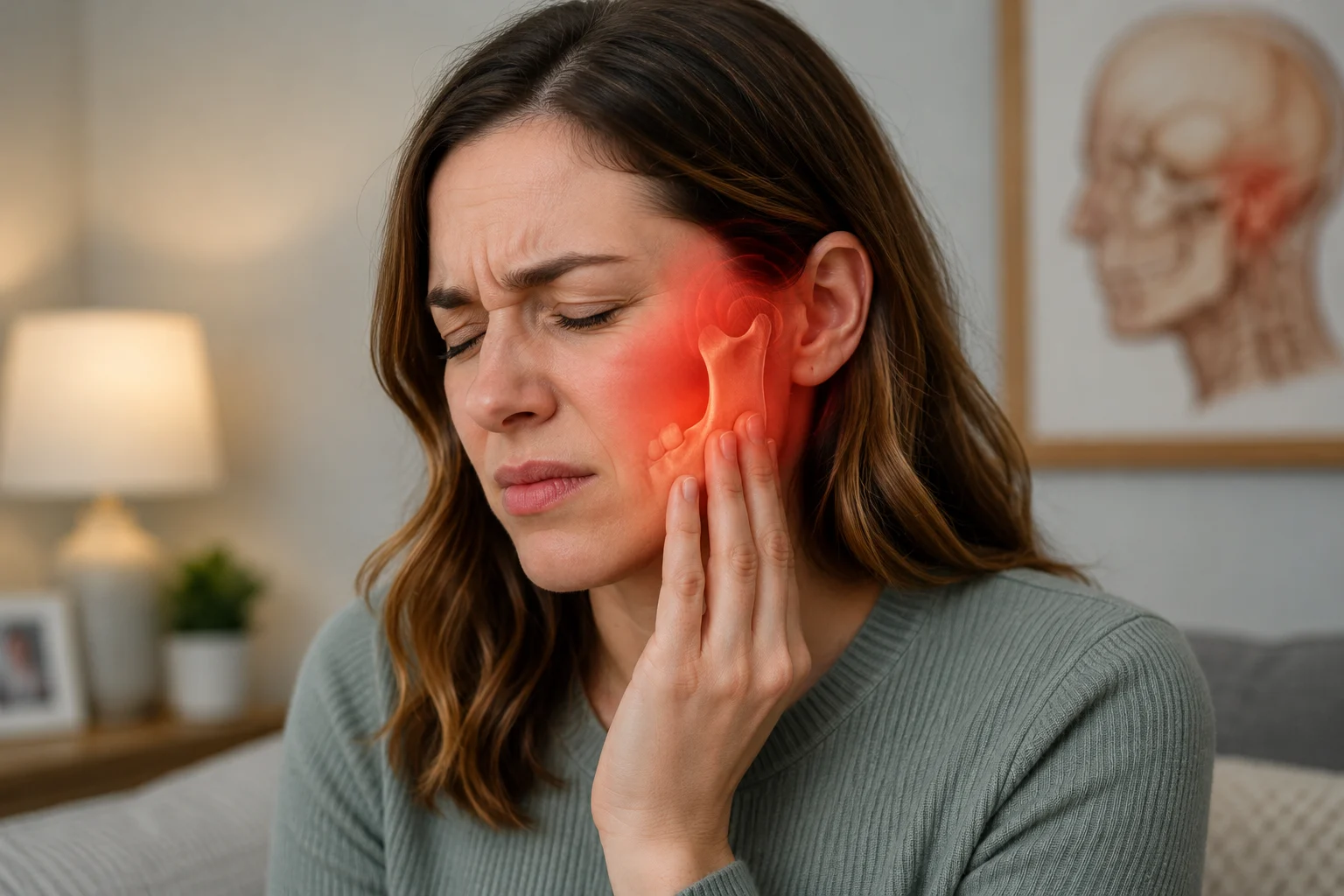
Jaw pain can affect almost every part of your daily routine. Simple activities like chewing food, speaking, yawning, or even smiling may become uncomfortable when temporomandibular joint disorder, commonly called TMJ or TMD, develops. For some people, the pain feels mild and occasional, while others experience constant headaches, jaw stiffness, ear pain, or clicking sounds that interfere with normal life.
Many patients wonder whether TMJ can actually be cured permanently or if they will have to manage the discomfort forever. The answer depends on the underlying cause of the condition. In many cases, TMJ symptoms can be significantly reduced or even fully resolved with the right combination of treatment, lifestyle changes, and professional dental care.
Understanding what causes TMJ and learning how different treatments work can help you take the right steps toward lasting jaw pain relief.
What Is TMJ Disorder?
The temporomandibular joints connect your lower jaw to the skull and allow the mouth to open, close, chew, and move side to side. These joints work together with muscles, ligaments, and cartilage to support smooth jaw movement throughout the day.
TMJ disorder occurs when the joints or surrounding muscles become irritated, inflamed, or misaligned. This can lead to pain, stiffness, popping sounds, or difficulty moving the jaw normally. Some patients experience temporary symptoms that improve with conservative care, while others develop chronic discomfort that requires more advanced treatment.
Because the jaw joints are used constantly during speaking and eating, even mild dysfunction can become frustrating over time. If you are experiencing any of these symptoms, scheduling a prompt evaluation with your Georgetown dentist is important. Dr. Wicheta and Dr. Shreya will thoroughly examine your jaw condition, identify the source of your TMJ discomfort, and create a personalized treatment plan designed to relieve pain and improve jaw function.
Common Symptoms of TMJ Disorder
TMJ symptoms vary widely from person to person. Some people notice only occasional jaw clicking, while others struggle with severe muscle tension and headaches every day.
Common symptoms include:
- Jaw pain or soreness
- Clicking or popping sounds
- Difficulty chewing
- Locking of the jaw
- Facial pain or pressure
- Headaches and migraines
- Earaches or ringing in the ears
- Neck and shoulder tension
Many people are surprised to learn that chronic headaches and facial discomfort may actually be related to jaw joint problems rather than dental pain alone.
What Causes TMJ Problems?
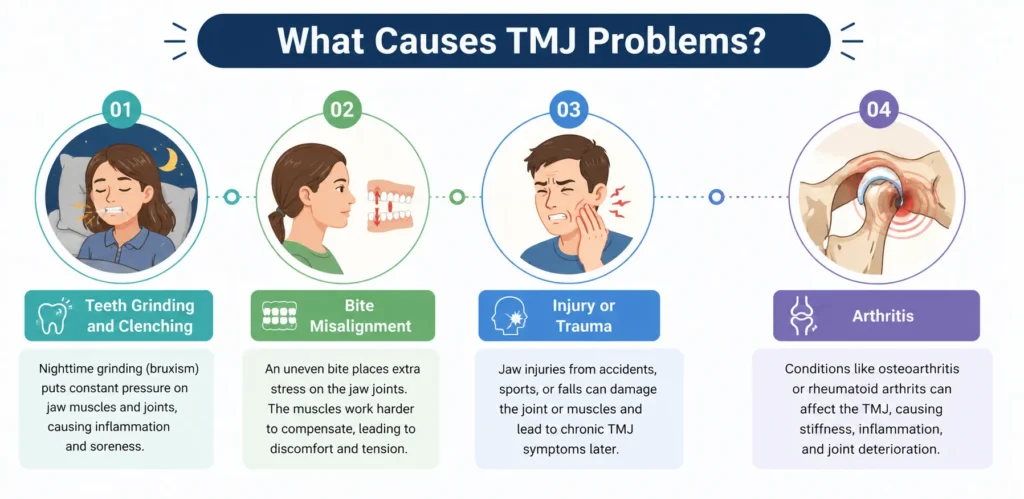
There is rarely a single cause of TMJ disorder. In most cases, several factors contribute to strain on the jaw joints and surrounding muscles.
Teeth Grinding and Clenching
One of the most common causes of TMJ pain is nighttime teeth grinding, also called bruxism. Many people clench their jaw while sleeping without realizing it. This constant pressure strains the jaw muscles and joints, leading to inflammation and soreness over time.
Stress often makes clenching worse. Patients dealing with anxiety or high-pressure situations may unconsciously tighten their jaw muscles throughout the day.
Bite Misalignment
An uneven bite can place extra stress on the temporomandibular joints. When the upper and lower teeth do not fit together properly, the jaw muscles may work harder to compensate, eventually leading to discomfort and tension.
Injury or Trauma
Jaw injuries from accidents, sports impacts, or falls can damage the joint or surrounding muscles. Even minor trauma may affect jaw alignment and contribute to chronic TMJ symptoms later.
Arthritis
Conditions like osteoarthritis or rheumatoid arthritis may affect the temporomandibular joints and lead to stiffness, inflammation, and joint deterioration.
Can TMJ Be Cured Permanently?
Many patients search online for a permanent cure for TMJ, but treatment success depends on identifying the root cause of the problem. Some cases improve completely with conservative treatment, while others require ongoing management to prevent flare-ups.
For example:
- TMJ caused by temporary muscle tension may resolve fully with stress reduction and bite protection.
- TMJ related to severe arthritis or joint damage may require long-term treatment and monitoring.
The key is addressing the underlying issue rather than only masking the symptoms.
Lifestyle Changes That Help Relieve TMJ Pain
One of the first steps in treating TMJ disorder involves reducing strain on the jaw joints. Small lifestyle adjustments can significantly decrease inflammation and muscle tension.
Avoid Hard and Chewy Foods
Crunchy snacks, gum chewing, steak, and hard candies force the jaw muscles to work harder. Switching to softer foods during painful flare-ups allows the joints time to rest and heal.
Limit Wide Jaw Movements
Yawning widely, shouting, or opening the mouth too far can worsen irritation in the jaw joints. Supporting the jaw gently during yawning may help reduce discomfort.
Improve Posture
Poor posture places extra tension on the neck and jaw muscles. Many people who spend long hours at computers unknowingly strain the muscles connected to the temporomandibular joints.
Maintaining proper posture while sitting and sleeping can reduce pressure on the jaw over time.
Stress Management and TMJ Relief
Stress plays a major role in TMJ symptoms for many patients. Emotional tension often causes people to clench their jaw muscles unconsciously throughout the day or while sleeping.
Learning relaxation techniques may help reduce muscle tightness and prevent flare-ups.
Helpful stress management strategies include:
- Meditation
- Gentle stretching
- Deep breathing exercises
- Yoga
- Regular exercise
- Better sleep habits
Reducing stress does not cure every TMJ problem, but it often improves muscle-related symptoms significantly.
How Mouthguards Help TMJ
Custom nightguards are one of the most common and effective treatments for TMJ caused by clenching or grinding.
A dental nightguard works by:
- Reducing pressure on the jaw joints
- Protecting teeth from grinding damage
- Relaxing overworked jaw muscles
- Improving bite balance during sleep
Unlike over-the-counter guards, professionally made appliances are customized for your bite and usually provide better comfort and effectiveness.
Many patients notice significant relief within a few weeks of consistent use.
Physical Therapy for TMJ Disorder
Physical therapy can help strengthen and relax the muscles surrounding the jaw. Certain exercises improve jaw mobility while reducing stiffness and tension.
A TMJ-focused physical therapy plan may include:
- Jaw stretching exercises
- Muscle massage
- Heat and cold therapy
- Posture correction
- Guided jaw movement exercises
These therapies are especially helpful for patients whose TMJ symptoms are primarily muscular rather than structural.
Medications for Temporary Relief
While medications do not permanently cure TMJ, they can help manage inflammation and discomfort during treatment.
Dentists or doctors may recommend:
- Anti-inflammatory medications
- Muscle relaxers
- Pain relievers
- Short-term corticosteroids in severe cases
Medication is usually most effective when combined with other therapies that address the root cause of the disorder.
Orthodontic Treatment and Bite Correction
For patients with severe bite problems, orthodontic treatment may help improve jaw alignment and reduce strain on the temporomandibular joints.
Clear aligners or braces can gradually reposition teeth into a healthier bite relationship. Correcting alignment issues sometimes reduces muscle tension and improves jaw function.
However, not every TMJ case requires orthodontics. A thorough dental evaluation is necessary before beginning treatment.
Advanced TMJ Treatments
If conservative treatments fail to relieve symptoms, more advanced options may be considered.
Botox for TMJ
Botox injections are sometimes used to relax overactive jaw muscles. This treatment may reduce clenching and provide temporary relief for certain patients.
Arthrocentesis
This minimally invasive procedure flushes inflammatory fluid from the jaw joint and improves mobility.
TMJ Surgery
Surgery is usually reserved for severe cases involving structural joint damage or significant dysfunction that does not respond to other treatments.
Most patients improve without needing surgery.
How Long Does TMJ Recovery Take?
TMJ recovery varies depending on the severity and cause of the condition. Some patients improve within a few weeks, while others require several months of treatment and habit changes.
Factors affecting recovery include:
- Stress levels
- Teeth grinding habits
- Bite alignment
- Consistency with treatment
- Overall joint health
Early treatment often leads to better long-term outcomes.
When Should You See a Dental Specialist for TMJ?
Occasional jaw clicking without pain is not always serious. However, persistent symptoms should be evaluated before they worsen.
You should schedule a dental evaluation if you experience:
- Frequent jaw pain
- Difficulty opening the mouth
- Jaw locking
- Chronic headaches
- Facial tension
- Tooth grinding symptoms
- Pain while chewing
Early diagnosis can prevent additional strain and joint damage.
Can TMJ Go Away on Its Own?
Mild TMJ symptoms caused by temporary stress or muscle tension sometimes improve without extensive treatment. However, chronic symptoms should not be ignored.
Without treatment, severe grinding, clenching, or bite problems may continue damaging the joints and teeth over time. Seeking professional guidance helps identify the best treatment approach before symptoms become more difficult to manage.
Tips for Preventing Future TMJ Problems
Even after symptoms improve, maintaining healthy habits helps reduce the risk of future flare-ups.
Prevention tips include:
- Avoid chewing ice or hard objects
- Wear a nightguard if recommended
- Practice stress management regularly
- Maintain proper posture
- Avoid excessive gum chewing
- Schedule routine dental exams
Protecting the jaw joints consistently is the best long-term strategy.
Final Thoughts
TMJ disorder can affect much more than just your jaw. From headaches and facial pain to difficulty chewing and chronic tension, untreated TMJ symptoms may gradually interfere with everyday life.
The good news is that many TMJ cases improve significantly with the right treatment plan. Lifestyle adjustments, stress management, custom mouthguards, physical therapy, and bite correction can all help relieve jaw pain and improve joint function. In some cases, symptoms may even resolve permanently when the root cause is properly addressed.
If you are struggling with persistent jaw discomfort, clicking, or tension, seeking professional evaluation early can help prevent further complications and guide you toward long-lasting relief.