$99 New Patient Special - Includes Exam, X-Ray and Basic Cleaning

How to Get Rid of Yellow Teeth

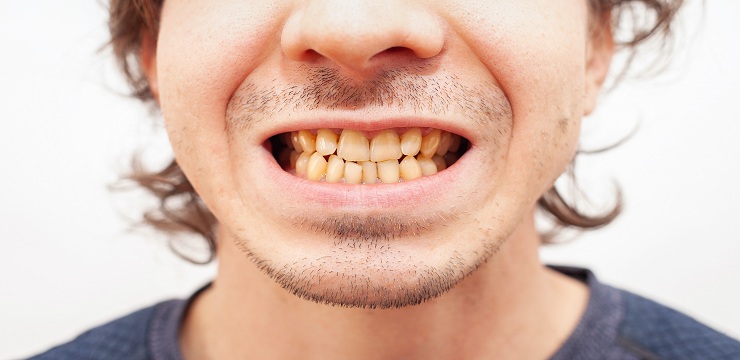
Yellow teeth are among the most common cosmetic concerns people bring up at dental visits and also among the most misunderstood. The market is flooded with whitening strips, charcoal powders, oil-pulling routines, and DIY hacks promising dramatic results. Some of these are harmless. Some are actively bad for your enamel. And very few deliver what professional treatment can.
This guide cuts through the noise. Here’s what causes tooth discoloration, what you can reasonably do at home, and when a professional approach is a smart call.
Why Teeth Turn Yellow in the First Place
Before tackling discoloration, it helps to know what you’re actually dealing with. Not all yellowing is the same, and the cause determines the solution.
Tooth discoloration falls into two main categories: extrinsic and intrinsic. Extrinsic stains sit on the surface of your enamel and come from things like coffee, tea, red wine, tobacco, and certain foods. These are the most responsive to whitening treatments. Intrinsic discoloration originates within the dentin beneath the enamel and is caused by factors such as aging, certain medications (particularly tetracycline antibiotics taken during childhood), fluorosis, or trauma. Intrinsic staining is harder to address and sometimes requires entirely different treatments.
Professional teeth whitening is most effective on extrinsic stains, though it can also improve the appearance of mild intrinsic discoloration. At Westinghouse Dental, patients often come in frustrated by over-the-counter products that haven’t delivered, and frequently, the underlying cause explains why those products fell short.
What Works at Home (and What Doesn’t)
Whitening Toothpastes
Whitening toothpastes use mild abrasives and, in some cases, low-concentration peroxide to reduce surface staining. They’re genuinely useful for maintaining brightness between professional treatments and for preventing new stains from setting in. What they can’t do is change the underlying color of your teeth or address intrinsic discoloration. Think of them as maintenance tools, not transformation tools.
Whitening Strips
Over-the-counter whitening strips contain hydrogen peroxide at concentrations typically between 6% and 10%. For mild to moderate extrinsic staining, they can produce noticeable results. The limitations are consistency (strips don’t conform evenly to all tooth shapes), sensitivity (many users experience temporary tooth and gum sensitivity), and the ceiling effect – they simply can’t achieve the level of whitening that professional-grade peroxide concentrations can.
Oil Pulling
Despite widespread claims online, there is no strong clinical evidence that oil pulling whitens teeth. It may offer some benefit for oral hygiene generally, but as a whitening strategy, it lacks scientific support. If you enjoy it as part of your routine, it’s unlikely to cause harm, but don’t expect it to replace anything else.
Baking Soda
Baking soda is mildly abrasive and can remove surface stains with regular use. Some studies support its effectiveness as a gentle stain remover. Used occasionally and correctly, it’s reasonably safe. Used aggressively or too frequently, it can wear down enamel over time. Many commercial toothpastes already incorporate it at appropriate concentrations, which is usually the safer route.
Activated Charcoal
This one deserves specific caution. Activated charcoal toothpastes and powders are highly abrasive and can cause measurable enamel wear with regular use. The American Dental Association has not approved any activated charcoal dental product, and the evidence for its whitening efficacy is weak. It’s better avoided.
Video source: The Bentist YouTube channel
Dietary and Lifestyle Changes That Help
Your daily habits have a significant cumulative effect on tooth shade. A few adjustments make a real difference over time:
- Drink staining beverages through a straw. Coffee, tea, and soft drinks contact your teeth far less when you use a straw. It’s a small habit with a meaningful impact.
- Rinse with water after staining foods and drinks. You don’t need to brush immediately; in fact, brushing right after acidic foods can accelerate enamel wear. A water rinse neutralizes acid and washes away pigment before it sets.
- Cut back on tobacco. Nicotine and tar produce some of the most stubborn tooth staining there is. This category of staining resists most over-the-counter treatments and often requires professional cleaning before whitening can even begin.
- Maintain consistent oral hygiene. Plaque buildup contributes to a dull, yellowish appearance even before actual stains occur. Brushing twice daily for 2 minutes and flossing once daily helps maintain your oral cleanliness.
When Home Products Aren’t Enough
There’s a point where the gap between what you can do at home and what professional treatment delivers becomes impossible to ignore. If your discoloration is:
- moderate to heavy surface staining from years of coffee or tobacco use,
- age-related yellowing from enamel thinning,
- resistant to multiple rounds of over-the-counter strips with little improvement,
Then, professional teeth whitening is likely the more practical path.
Professional treatments use higher-concentration bleaching agents (25–40% hydrogen or carbamide peroxide) applied under controlled conditions. This produces faster, more uniform, and more dramatic results than anything available over the counter. It also allows sensitivity to be managed more carefully, since the process is supervised rather than self-administered.
Georgetown patients at Westinghouse Dental have access to in-office whitening that delivers results in a single appointment, as well as custom take-home trays with professional-grade gel for those who prefer a more gradual approach. Both options outperform over-the-counter alternatives in terms of final result and consistency.
Whitening also isn’t permanent. Results typically last anywhere from several months to a few years, depending on your diet, hygiene habits, and whether you use maintenance products. Touch-ups in-office or with take-home trays significantly enhance results.
Book your appointment at Westinghouse Dental for a personalized assessment of what will work best for your teeth.
People Also Ask
Does hydrogen peroxide from the drugstore work as a whitening rinse?
Diluted hydrogen peroxide (around 1.5–3%) is sometimes used as a mouth rinse and may offer mild reduction of surface stains with regular use. It’s generally considered safe at low concentrations for short-term use. However, it shouldn’t replace fluoride toothpaste or professional whitening as its effects are minimal compared to either, and overuse can irritate soft tissue.
How long after whitening treatment should I avoid staining foods?
Most dentists recommend a “white diet” for 24 to 48 hours after professional whitening – sticking to light-colored, non-acidic foods and avoiding coffee, tea, red wine, and tobacco. During this window, enamel pores are more open and susceptible to restaining. After that initial period, your normal precautions (rinsing after staining drinks, consistent brushing) are sufficient.
Can whitening damage my enamel?
Professional whitening, when done correctly, does not permanently damage enamel. Temporary sensitivity during or after treatment is common but typically resolves within a day or two. The risk of enamel damage is higher with overuse of abrasive home remedies (such as activated charcoal) or with whitening strips used far more frequently than directed. Following professional guidance keeps the process safe.
Are the teeth too yellow or stained for whitening to help?
Some cases of severe intrinsic staining from tetracycline antibiotics or advanced fluorosis respond minimally to bleaching treatments. In those situations, porcelain veneers or dental bonding may produce better cosmetic outcomes. A consultation allows your dentist to evaluate which approach fits your staining type and what realistic results look like.
Does whitening toothpaste cause sensitivity?
Some whitening toothpastes, particularly those with higher abrasive content, can increase tooth sensitivity in patients who already have some enamel wear or exposed root surfaces. If you notice sensitivity after switching to a whitening toothpaste, try a sensitivity-specific formula instead, as many contain both potassium nitrate (for sensitivity relief) and mild whitening agents, making them a reasonable middle ground.