$99 New Patient Special - Includes Exam, X-Ray and Basic Cleaning

Invisalign Cost Factors in Georgetown, TX

If you’ve asked friends about Invisalign costs, you’ve probably heard very different numbers. That’s not a mistake — it’s by design. Why Invisalign costs vary so much between cases in Georgetown comes down to several key factors. Understanding those factors helps you make a smarter, more confident decision about your smile.
At Westinghouse Dental Georgetown, Dr. Wicheta works with patients at every stage of treatment complexity. No two smiles are identical, and no two treatment plans carry the same price tag. This guide breaks down exactly what drives those differences.
Why Invisalign Costs Vary So Much Between Cases Georgetown: Case Complexity Matters Most
The single biggest factor in Invisalign pricing is how complex your case is. A patient with mild crowding needs far fewer corrections than someone with significant bite misalignment. More complex issues require more precise movement over a longer period. That directly affects how much treatment costs.
Dentists evaluate complexity by looking at several things upfront. These include the degree of crowding or spacing, whether bite correction is needed, and how many teeth require movement. A thorough clinical exam and digital scans give Dr. Wicheta a clear picture before any treatment plan is finalized.
- Mild crowding or spacing issues: typically shorter, simpler treatment
- Moderate misalignment: more aligners and more movement required
- Complex bite issues (overbite, underbite, crossbite): highest level of precision and planning
- Tooth rotation or significant gaps: may require extra steps and longer timelines
Understanding your own case complexity is the first step. A consultation gives you a realistic picture of what your treatment will actually involve.
The Number of Aligners in Your Treatment Plan
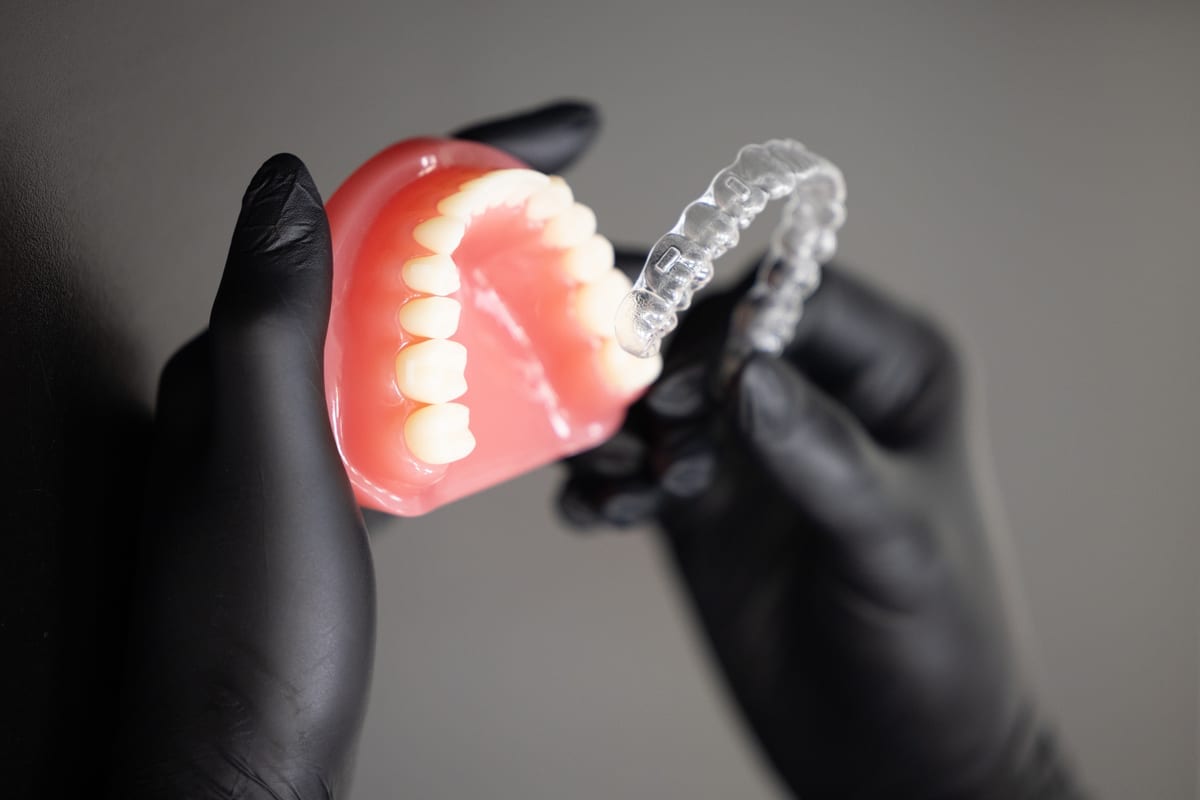
Invisalign works by progressing through a series of custom-made aligner trays. Each tray moves your teeth a small, precise amount. The more movement needed, the more trays your plan requires. More trays mean more lab production, more planning, and more cost.
Some simple cases use as few as a dozen aligners. More involved cases can involve dozens of trays worn over a year or longer. Every aligner is custom-fabricated using digital impressions of your teeth. That level of customization is part of what makes the system so effective — and part of what shapes the price.
It’s worth noting that Invisalign also offers different product tiers. Invisalign Lite is designed for simpler cases with fewer trays. Full Invisalign covers moderate to complex cases with a comprehensive series. The tier that fits your needs will be determined by your specific clinical goals.
Refinements and Mid-Course Corrections
Teeth don’t always move exactly as predicted. Sometimes additional aligner sets — called refinements — are needed to finish the job correctly. Refinements are a normal part of many treatment plans. However, they do add to the overall scope of your case.
Some Invisalign plans include refinements as part of a comprehensive package. Others may involve additional steps if your teeth respond differently than expected. Dr. Wicheta monitors your progress throughout treatment to catch any needed adjustments early. Catching these early usually prevents larger corrections later.
- Refinements fine-tune tooth position at the end of treatment
- They are common and do not indicate a treatment failure
- Comprehensive plans often include refinement allowances
- Mid-course corrections keep your treatment on track and accurate
- Regular check-ins help identify when refinements are needed
Patients who commit to wearing their aligners as directed typically need fewer refinements. Compliance is one factor patients can directly control to keep treatment on schedule.
Additional Treatments That Can Affect Total Cost
Invisalign often works best alongside other dental care. Some patients need attachments — small tooth-colored buttons bonded to teeth — to help aligners grip and move teeth more precisely. These are standard additions for more complex cases. They don’t change the look of treatment significantly, but they do affect the process.
Other patients may need preparatory work before Invisalign begins. For example, some patients benefit from Cosmetic Dentistry services to address existing concerns before alignment begins. Treating gum issues or replacing old restorations beforehand ensures Invisalign works on a healthy foundation.
Retention is another consideration after treatment ends. Every Invisalign patient needs a retainer to hold results in place. Retainers are an expected part of orthodontic care, not an unexpected add-on. Factoring retention into your planning gives you a complete view of the full process.
If you experience any discomfort or dental issues during treatment, prompt care matters. Emergency Dentistry services are available for patients who need urgent attention during their Invisalign journey.
How Georgetown Patients Can Plan for Invisalign Costs
The best way to understand your personal cost is to start with a consultation. During that visit, Dr. Wicheta evaluates your teeth, discusses your goals, and maps out a treatment plan. That plan gives you a specific scope — not a general estimate. You’ll know what your case involves before committing to anything.
At Westinghouse Dental Georgetown, the team believes in transparent communication. Patients deserve to understand why their plan is structured the way it is. An informed patient makes better decisions and stays more engaged throughout treatment.
There are also flexible payment options available to help patients budget comfortably. Ask the team about financing plans during your consultation. Spreading out payments can make comprehensive treatment much more manageable month to month.
Frequently Asked Questions
Why does Invisalign cost more for some patients than others?
The main reason is case complexity. Patients with more crowding, spacing, or bite issues need more aligners and longer treatment timelines. More involved cases require more planning, more lab work, and often more check-in visits. All of these factors contribute to a higher overall cost compared to simpler cases.
Can I find out my Invisalign cost before starting treatment?
Yes. A consultation with Dr. Wicheta at Westinghouse Dental Georgetown will give you a clear treatment plan. That plan includes the scope of your case, the estimated number of aligners, and an accurate cost breakdown. You won’t need to guess — everything is mapped out clearly before you begin.
Do refinements always cost extra?
It depends on your treatment plan. Comprehensive Invisalign plans often include a set number of refinements within the original cost. If your case requires refinements beyond what’s included, additional costs may apply. Dr. Wicheta will explain your plan’s refinement policy upfront so there are no surprises.
Is Invisalign worth the cost compared to traditional braces?
For many patients, yes. Invisalign offers a removable, nearly invisible option that fits easily into daily life. The aligners are comfortable and don’t restrict what you eat. For patients who value aesthetics and convenience during treatment, the investment often makes strong practical sense.
How long does Invisalign treatment typically take in Georgetown?
Treatment length varies based on case complexity. Simpler cases may wrap up in six to twelve months. More complex cases can take eighteen months or longer. Dr. Wicheta will give you a realistic timeline during your consultation based on your specific clinical goals and tooth movement needs.
Ready to find out what your Invisalign journey could look like? The team at Westinghouse Dental Georgetown is here to walk you through every detail. Book Now to schedule your appointment with our team.