$99 New Patient Special - Includes Exam, X-Ray and Basic Cleaning

What You Can Eat After Dental Implant Surgery: Recovery Tips

Dental implant surgery is one of the most transformative procedures in modern dentistry. Whether you’ve just replaced a single missing tooth or undergone a more extensive restoration, the journey to a fully healed, confident smile doesn’t end when you leave our office. In fact, what happens during your recovery — particularly what you eat — plays a significant role in determining how smoothly and successfully your implant integrates. At Westinghouse Dental, we believe that informed patients heal better. That’s why we’ve put together this comprehensive guide to help you navigate your post-surgery diet with confidence, comfort, and clarity.
Why Your Diet Matters After Dental Implant Surgery
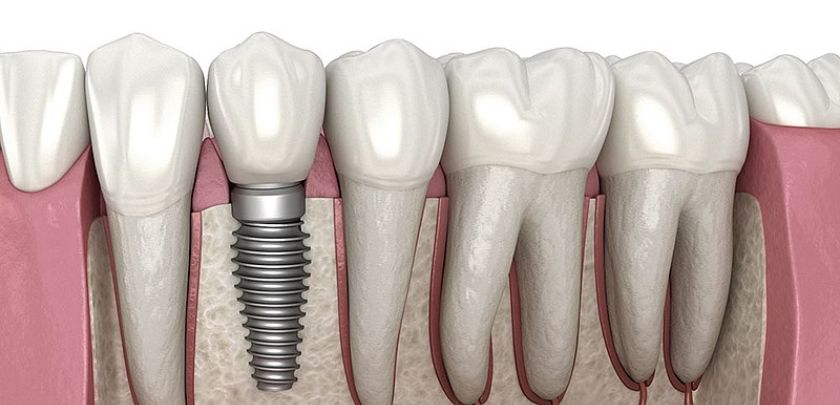
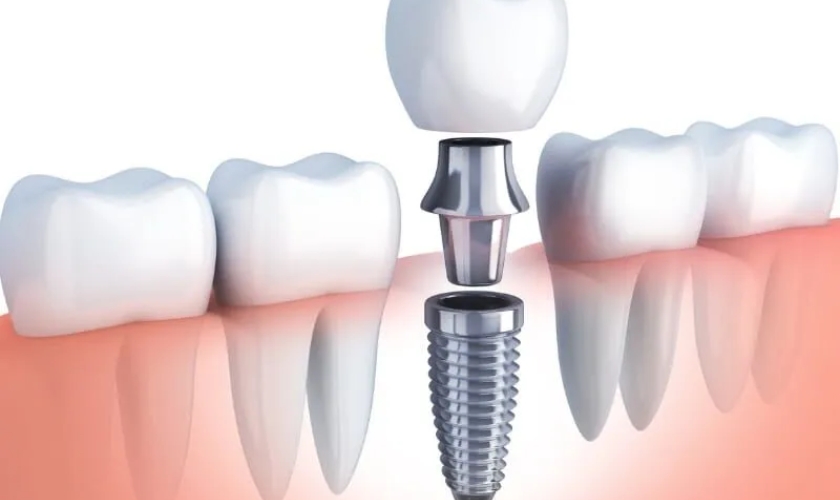
Many patients focus so much on the surgery itself that they underestimate the importance of the recovery period. The truth is, the weeks following your dental implant procedure are just as critical as the surgery itself. After your implant is placed, the titanium post must fuse with your jawbone through a natural biological process called osseointegration. This process takes time, and the foods you choose during this phase can either support it or set it back.
Eating the wrong foods too soon can place unnecessary stress on the implant site, irritate the surrounding gum tissue, or even dislodge protective blood clots that are essential for proper healing. On the other hand, choosing soft, nutrient-rich foods gives your body the building blocks it needs to repair tissue, reduce inflammation, and integrate the implant effectively. Think of your diet as an active part of your healing plan — because it truly is.
The First 24 to 48 Hours: Be Gentle With Yourself
The first two days after dental implant surgery are the most sensitive part of your recovery. During this window, the surgical site is at its most vulnerable, and your primary goal should be protecting it while keeping yourself comfortable and nourished.
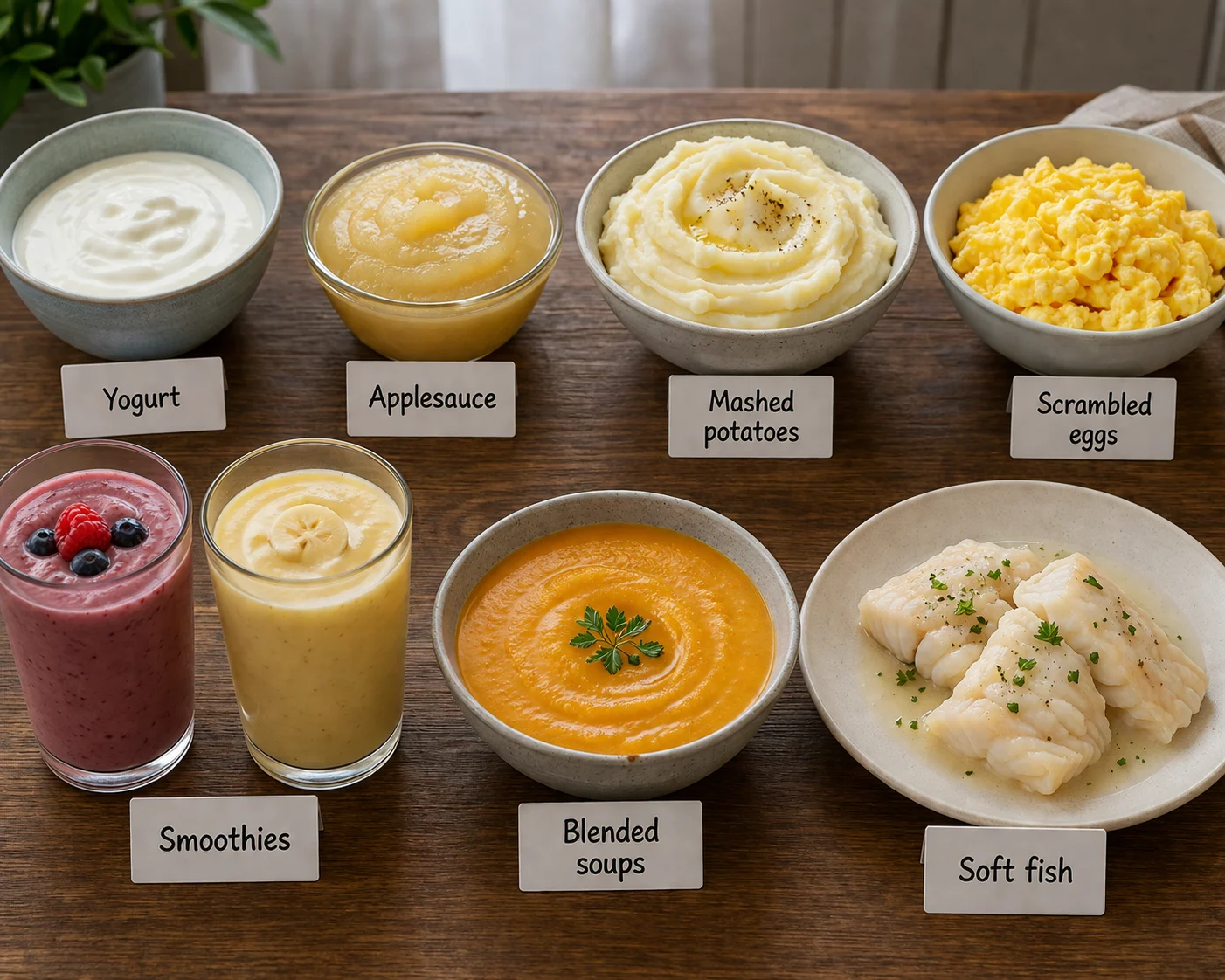
Stick exclusively to soft, easy-to-swallow foods that require virtually no chewing. Great options during this phase include:
Yogurt — smooth, protein-rich, and easy on the mouth. Plain or lightly sweetened yogurt is an excellent choice that also supports gut health if you’ve been prescribed antibiotics.
Applesauce — naturally sweet and gentle, applesauce provides a quick source of carbohydrates and calories when eating feels challenging.
Mashed potatoes — soft, filling, and comforting. Prepare them with butter or broth for added calories, but skip anything crunchy on top.
Scrambled eggs are a wonderful source of protein that requires minimal effort to eat. Prepared soft and fluffy, eggs are one of the best recovery foods available.
Smoothies — an excellent way to pack in fruits, vegetables, protein powder, and healthy fats all in one meal. However, one important rule: never use a straw. The suction generated by sipping through a straw can disturb the healing tissue and disrupt the blood clot, leading to complications. Drink directly from a glass or cup instead.
Blended soups — warm broth-based or blended vegetable soups are nourishing and hydrating. Make sure they are lukewarm, not piping hot, as heat can increase swelling and discomfort around the implant site.
Temperature matters more than most people realize. Cool and lukewarm foods are your best friends in the first 48 hours. Cold foods like chilled yogurt or a small scoop of ice cream can even help soothe mild swelling naturally.
Days Three Through Seven: Introducing More Nutrition
As the initial tenderness begins to subside, your focus can shift slightly from pure comfort to nutrition and variety. You’re still staying in soft-food territory, but you have more flexibility to explore options that are both healing and satisfying.
Oatmeal is a fantastic choice during this stage. It’s gentle, filling, and can be enriched with honey, mashed banana, or nut butter for extra nutrients and flavor. Just make sure it’s cooked thoroughly and not loaded with crunchy toppings like granola or nuts.
Soft pasta with a light sauce is another welcome addition. Pasta provides energy through complex carbohydrates, and when cooked until tender, it poses no risk to the implant site. Avoid anything with hard, chunky vegetables or heavy meat pieces.
Cottage cheese is an underrated recovery food. It’s high in protein, has a soft, smooth texture, and is easy to eat even when the mouth is sore. Pair it with soft fruit for a balanced mini-meal.
Steamed or well-cooked vegetables like zucchini, carrots, or sweet potatoes are excellent sources of vitamins and minerals that directly support tissue regeneration. Steam or roast them until they’re tender enough to be mashed easily with a fork.
Soft fish, such as tilapia, salmon, or cod, is one of the best protein sources you can consume during recovery. Fish is rich in omega-3 fatty acids, which have natural anti-inflammatory properties — exactly what your healing body needs. Bake or poach the fish until it flakes easily, and avoid any heavily seasoned preparations.
Avocado deserves a special mention. Creamy, calorie-dense, and packed with healthy fats, avocado can be eaten on its own, blended into smoothies, or spread on very soft bread. It’s nutrient-dense without requiring any significant chewing.
Foods to Avoid Throughout Recovery
Knowing what not to eat is just as important as knowing what to eat. At Westinghouse Dental, we consistently remind our patients that certain foods pose a real risk during the recovery period and should be avoided until your dentist gives you the all-clear.
Hard and crunchy foods like chips, crackers, raw carrots, nuts, and popcorn can place direct pressure on the implant site and may even damage the area before osseointegration is complete. These should be off the table for at least the first few weeks.
Chewy and sticky foods such as gummy candies, chewy bread, dried fruits, and tough cuts of meat require significant jaw movement that can strain the surgical area and potentially compromise the implant.
Spicy foods can irritate sensitive gum tissue and cause unnecessary discomfort. Even if you’re a fan of bold flavors, give your mouth a break during recovery.
Acidic foods and drinks like citrus fruits, tomatoes, vinegar-based dressings, and carbonated sodas can cause stinging sensations near the implant and may slow down tissue healing.
Alcohol is best avoided entirely during the early recovery period. Alcohol can interfere with the healing process and may interact negatively with any prescribed medications.
Hot beverages, including coffee, tea, and soup, served at high temperatures, should be consumed with caution. Excessive heat can increase swelling, trigger bleeding, and cause unnecessary irritation around the implant site.
Practical Tips for a Comfortable Recovery
Small habits make a big difference. Here are a few additional recommendations from the team at Westinghouse Dental:
Stay well hydrated. Water supports every aspect of healing at the cellular level. Aim to drink consistently throughout the day, sipping gently rather than gulping.
Eat on the opposite side. When you do begin to chew again, make a conscious effort to keep pressure away from the surgical site by chewing on the other side of your mouth.
Eat smaller, more frequent meals. Rather than forcing yourself to eat large portions when your appetite is reduced, opt for smaller meals throughout the day to maintain your energy and nutritional intake.
Always follow your dentist’s personalized instructions. Every patient and every implant procedure is unique. The guidance provided by your Westinghouse Dental care team takes precedence over any general advice. If you’re ever unsure about a specific food, give us a call — we’re always happy to help.
Your Smile Is Worth the Care
Recovery from dental implant surgery is a short-term commitment with long-term rewards. By making mindful food choices in the days and weeks after your procedure, you’re not just protecting your investment — you’re actively participating in your own healing. The team at Westinghouse Dental is with you every step of the way, from the moment you sit in our chair to the day you show off your complete, beautiful smile.
If you have any questions about your recovery diet or would like to schedule a follow-up appointment, contact Westinghouse Dental today. We’re here to make your implant journey as comfortable and successful as possible.