$99 New Patient Special - Includes Exam, X-Ray and Basic Cleaning

Why Your Teeth Feel Sensitive During Cleaning and How We Help

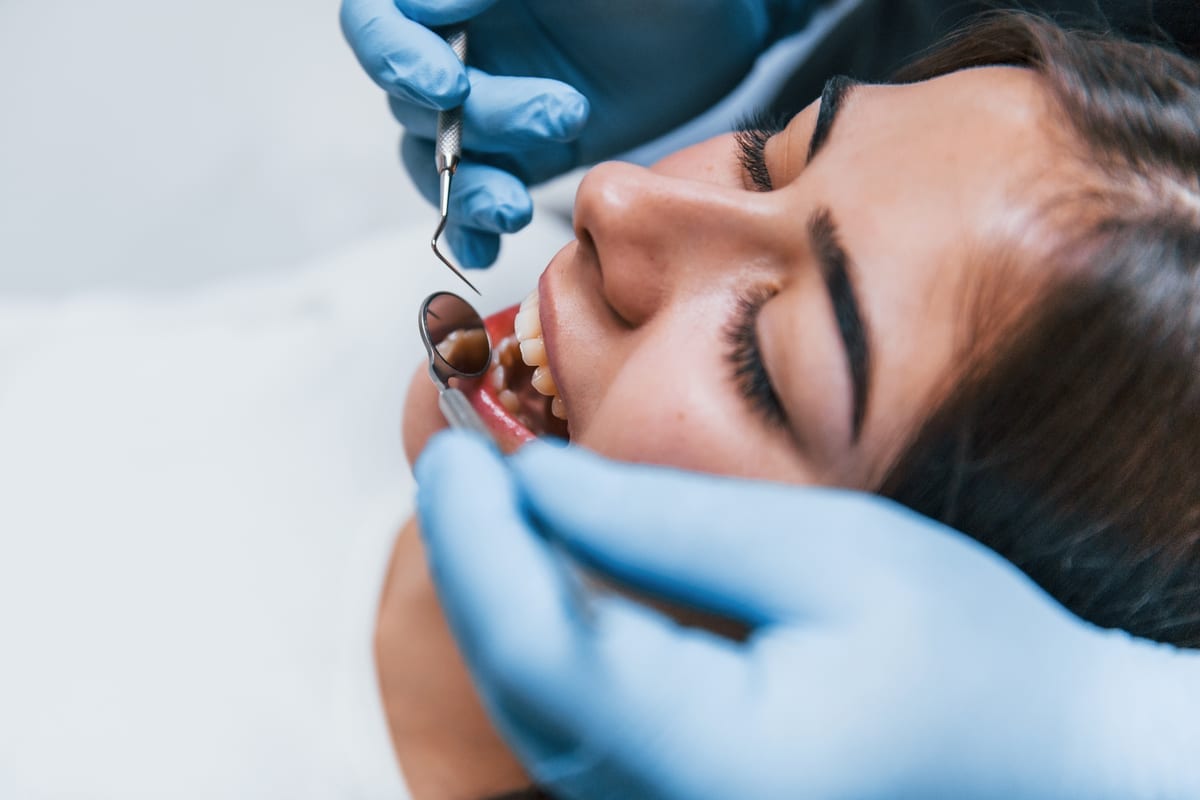
If your teeth feel sensitive during a cleaning, you are not alone. Many patients in Georgetown, TX experience this exact concern. Understanding why your teeth feel sensitive during cleaning and how we help Georgetown patients is the first step toward a more comfortable visit. At Westinghouse Dental Georgetown, Dr. Wicheta and our hygiene team are committed to making your experience as gentle as possible.
Why Sensitivity During Teeth Cleaning Is So Common
Tooth sensitivity during a cleaning has several common causes. The most frequent reason is exposed dentin — the layer just beneath your enamel. When enamel wears thin, even light pressure can trigger a sharp sensation. Your gums may also recede slightly over time, exposing sensitive root surfaces.
Plaque and tartar buildup can make sensitivity worse. The scraping motion used to remove hardened tartar can feel uncomfortable on already-sensitive teeth. This is especially true if it has been a while since your last visit.
Temperature changes during rinsing also play a role. Cold water can activate nerve endings in exposed areas. Even the air from a dental tool can cause a brief, sharp twinge. These sensations are temporary and completely normal.
What Our Georgetown Hygienists Do to Minimize Discomfort
Our hygienists at Westinghouse Dental Georgetown take sensitivity seriously. Before we begin, we ask about any areas that have bothered you recently. This helps us adjust our technique before discomfort even starts.
Here is what our hygiene team does to keep you comfortable:
- Use gentle, controlled pressure when scaling
- Apply desensitizing gel to reactive areas before treatment
- Use warm water instead of cold when possible
- Pause and check in with you throughout the cleaning
- Recommend a topical fluoride treatment at the end of your visit
We never rush through a cleaning. Taking extra time reduces the force needed to remove buildup. Lighter pressure means less irritation for sensitive teeth.
How to Prepare for Your Cleaning If You Have Sensitive Teeth
There are several things you can do before your appointment to reduce sensitivity. Start using a sensitivity-specific toothpaste at least two weeks before your visit. These toothpastes contain compounds that block the tiny tubules in exposed dentin. Consistent use makes a noticeable difference.
Tell our team about your sensitivity when you arrive. We will note which teeth are most reactive and plan accordingly. You should never feel embarrassed about mentioning discomfort. We want to know so we can help.
Consider these simple preparation steps:
- Brush gently with a soft-bristle toothbrush in the days before your visit
- Avoid very cold or hot drinks the morning of your appointment
- Let our front desk know ahead of time so we can schedule extra time
- Ask about nitrous oxide if anxiety makes sensitivity feel worse
Anxiety and sensitivity often go hand in hand. When you feel nervous, you are more physically tense. That tension can amplify pain signals. We understand this connection completely.
When Sensitivity May Signal a Deeper Issue
Occasional sensitivity during a cleaning is usually harmless. However, persistent or severe sensitivity can sometimes point to an underlying problem. Cracked teeth, deep decay, or early gum disease can all cause heightened sensitivity. It is important to address these issues early.
If your sensitivity is linked to gum disease, our team may recommend periodontal care to treat the root cause. Healthier gums mean less exposed root surface over time. That directly reduces sensitivity at future cleanings.
In some cases, a tooth may need more advanced attention. A damaged tooth might require a dental crown to protect it from further sensitivity. We will always explain your options clearly before recommending any additional treatment.
Sometimes what feels like cleaning sensitivity is actually a sign of a dental emergency brewing beneath the surface. If you experience sharp, lingering pain after your visit, do not wait. Reach out to our team right away through our Emergency Dentistry Georgetown page for prompt care.
Building a Long-Term Plan for Comfortable Cleanings
The best way to reduce sensitivity during cleanings is to stay consistent with your appointments. When you come in every six months, there is less tartar buildup. Less buildup means less aggressive scaling is needed. The entire process becomes gentler over time.
Dr. Wicheta may also recommend additional protective treatments. Fluoride varnishes applied after cleanings strengthen enamel and reduce future sensitivity. We can also discuss whether a custom night guard is appropriate if you grind your teeth. Grinding accelerates enamel wear significantly.
If you are interested in improving the overall appearance of your smile while managing sensitivity, we can help with that too. Our team provides Cosmetic Dentistry Georgetown services designed with patient comfort in mind. Stronger, healthier teeth respond better to all dental procedures.
Every patient’s situation is different. We build personalized care plans that factor in your sensitivity level, dental history, and goals. You deserve a cleaning experience that leaves you feeling confident — not dreading your next visit.
Your Comfortable Cleaning Experience Starts Here
Sensitivity during a cleaning does not have to be something you simply endure. With the right preparation, the right technique, and a team that genuinely listens, cleanings can be a much more comfortable experience. At Westinghouse Dental Georgetown, Dr. Wicheta and our hygienists are here to support you every step of the way. Book Now to schedule your appointment with our team.
Frequently Asked Questions
Why do my teeth hurt so much during a cleaning?
Sensitivity during a cleaning is usually caused by exposed dentin or receding gums. When enamel is thin or gums have pulled back, the underlying tooth surface becomes reactive to pressure and temperature. Tartar buildup also contributes because its removal requires scraping near sensitive areas. Our hygienists use gentle techniques and desensitizing products to minimize this discomfort.
Is it normal to feel pain during a teeth cleaning?
Some level of sensitivity is common, especially if it has been a while since your last visit or if you have naturally sensitive teeth. Mild discomfort is normal, but sharp or severe pain is a signal worth discussing with Dr. Wicheta. We always encourage patients to speak up during their appointment so we can adjust our approach immediately.
Can I do anything at home to reduce sensitivity before my cleaning?
Yes. Using a desensitizing toothpaste for two to four weeks before your appointment can significantly reduce sensitivity. Brushing gently with a soft-bristle toothbrush also helps protect your enamel and gums. Avoiding very hot or cold foods the day of your appointment can also make a difference.
Will my sensitivity get better over time with regular cleanings?
In most cases, yes. Regular six-month cleanings prevent heavy tartar buildup, which means each visit requires less aggressive scaling. Over time, consistent care combined with fluoride treatments can strengthen enamel and reduce sensitivity. Patients who visit regularly often report that their cleanings feel much more comfortable than infrequent visits.
What if my sensitivity continues after the cleaning?
Some mild sensitivity for a day or two after a cleaning is normal. If the sensitivity is severe or lasts longer than a few days, contact our office right away. Persistent sensitivity may indicate a crack, decay, or gum issue that needs further evaluation. Dr. Wicheta will assess the area and recommend the most appropriate next step.