$99 New Patient Special - Includes Exam, X-Ray and Basic Cleaning

How a Root Canal Can Eliminate Tooth Pain

Do you suffer from a nagging toothache that only seems to increase in severity? If so, you’re not alone. Many people experience severe tooth pain due to deep infections or other dental issues. One of the best ways to get rid of this pain and bring your oral health back is through extensive treatment, such as a root canal. Root canals have a bad reputation, but is a regular procedure that can alleviate intense pain due to infections deep within the tooth.
In this blog, we’ll be discussing how root canals function to eliminate tooth pain, and touch on why a root canal is the best alternative for saving your natural tooth. Let’s dive in!
What Causes Tooth Pain and Why It Happens
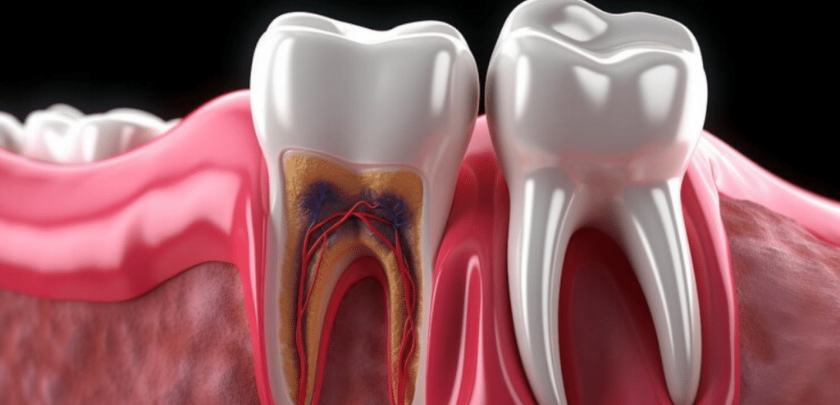
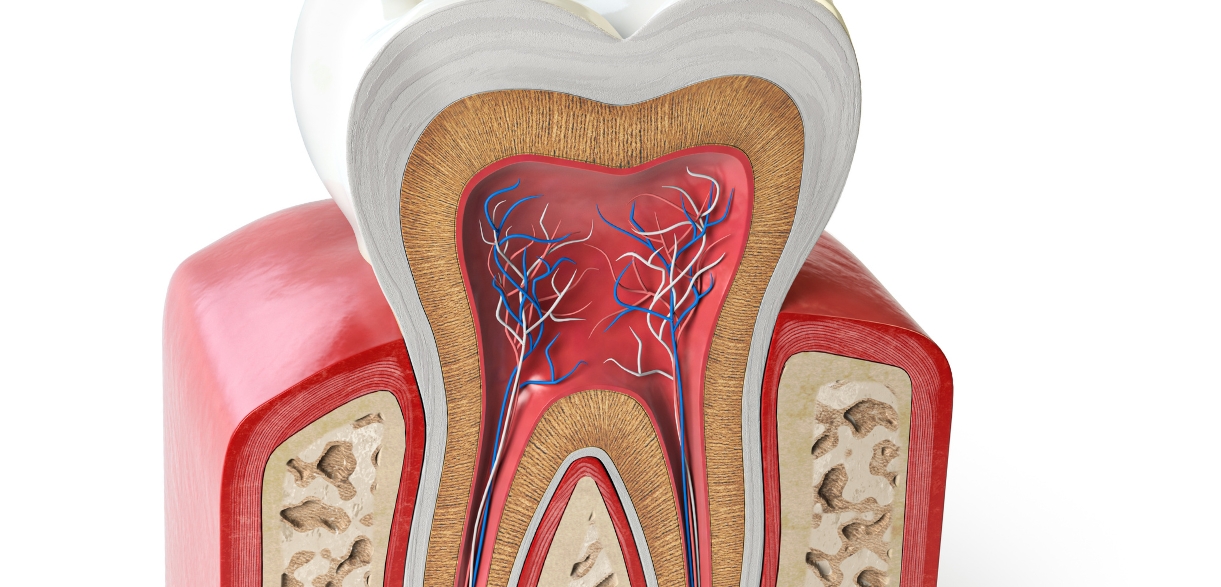
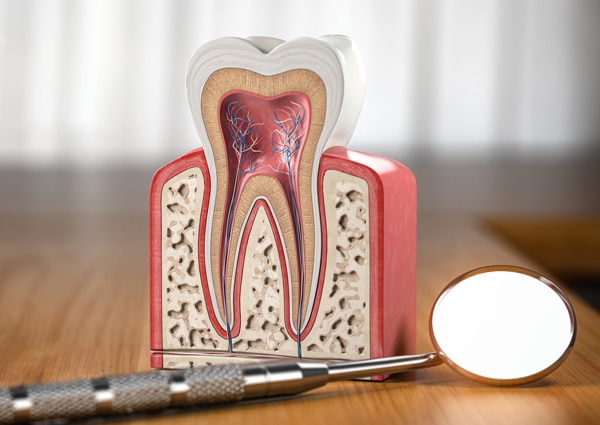
Tooth pain can be caused by several factors, but the most common culprit is an infection or damage to the tooth’s pulp. The soft tissue inside the tooth that contains nerves and blood vessels.
This can happen due to a deep cavity, trauma from a fall or accident, or even gum disease that has spread to the tooth. As the infection or damage progresses, the tooth pulp becomes inflamed and infected, leading to sharp, throbbing pain that can radiate through the jaw and face.
Other symptoms of a tooth infection may include swollen gums, sensitivity to hot or cold, or a persistent bad taste in your mouth. In some cases, you might even notice a darkening of the tooth.
The pain tends to worsen over time, especially when chewing or applying pressure to the affected tooth. If left untreated, the infection can spread, leading to more severe complications like abscesses and tooth loss. That’s where root canal treatment in Georgetown comes in.
What Is a Root Canal?
A root canal treatment is a dental procedure used to treat an infected or damaged tooth by removing the infected pulp, cleaning the area, and sealing it to prevent further infection. Essentially, it’s a way to save a tooth that might otherwise need to be extracted.
The process begins with the dentist numbing the area around the affected tooth with a local anesthetic. Once the area is numb, the dentist will create a small opening in the crown (top) of the tooth to access the pulp. Using special tools, the dentist carefully removes the infected or damaged pulp.
After cleaning the canal thoroughly, they will fill it with a rubber-like material to seal the area and prevent further infection. In many cases, a crown or filling will be placed on the tooth to protect it and restore its function.
Root canals are highly effective and can often save a tooth that would otherwise be lost to infection or decay. It’s a relatively simple procedure with a high success rate, and it allows patients to keep their natural teeth for years to come.
How a Root Canal Relieves Tooth Pain
The primary reason a root canal treatment can relieve tooth pain is that it removes the infected or inflamed pulp from the tooth. The infection in the pulp is the direct cause of the intense pain, so by eliminating the source, the pain often subsides almost immediately after the procedure.
During the procedure, the dentist cleans the infected area thoroughly, removing any bacteria that might be causing further infection. This cleaning also helps reduce swelling, which is another major contributor to pain. Once the canal is cleaned, it is sealed to prevent future infections, which ensures that the pain won’t return.
The long-term benefits of root canal treatment include the preservation of your natural tooth. Instead of having to extract the tooth, you can keep it functional for years with proper care. Root canals also help prevent the need for expensive and more invasive procedures like tooth extractions and implants.
Is a Root Canal Painful?
Many people fear root canals because they’ve heard that the procedure is painful, but this is largely a misconception. Modern dentistry has made significant strides in pain management, and root canal treatments are now performed with local anesthesia, which means the procedure itself is virtually painless.
While it’s normal to experience some mild discomfort after the procedure, this is usually manageable with over-the-counter pain relievers. Most patients report that the pain they felt before the procedure (due to the infection or damage) is far more severe than any discomfort they feel after the root canal. In fact, many patients are surprised by how quick and easy the recovery is.
Advances in techniques and technology have also made root canals more efficient, reducing the time it takes to complete the procedure and the discomfort associated with it. In most cases, you can return to your normal routine the very next day.
When to See a Dentist for a Root Canal
If you’re experiencing persistent tooth pain, particularly if it is sharp, throbbing, or sensitive to hot and cold, it may be a sign that you need root canal treatment. Other signs that you may need a root canal include darkening of the tooth, swollen or tender gums, or pain when chewing or touching the tooth.
Early intervention is crucial when it comes to dental infections. The sooner you address the issue, the more likely it is that the tooth can be saved. Regular checkups with your dentist can also help catch infections early, before they require more invasive procedures.
If you’re experiencing any of the symptoms mentioned, don’t wait. Schedule a consultation with your dentist as soon as possible.
Aftercare and Recovery: What to Expect
After your root canal treatment in Georgetown, it’s essential to follow your dentist’s aftercare instructions to ensure a smooth recovery. For the first few days, you may experience some mild discomfort or tenderness in the treated area, which is normal and can be managed with pain relievers. It’s also a good idea to avoid chewing on the treated tooth until your dentist places a permanent crown or filling to protect it.
As the tooth heals, avoid eating hard, crunchy foods that could irritate the area. You should also refrain from touching the tooth with your tongue or finger to avoid any unnecessary pressure. It’s important to attend any follow-up appointments to ensure the tooth is healing properly.
The healing process typically takes a few days, and most patients feel completely back to normal within a week. However, if you experience any severe pain or swelling, contact your dentist immediately.
In conclusion, root canal treatment is a highly effective way to eliminate tooth pain caused by infection or damage. By removing the infected pulp and sealing the tooth, a root canal restores both the tooth’s function and your comfort.
If you’re experiencing tooth pain, don’t wait. Schedule a consultation with Westinghouse Dental today to see if a root canal is the right solution for you. Our team is here to help you achieve lasting relief and restore your smile.
FAQs
Can a root canal cause a tooth to feel loose?
It’s not uncommon for a tooth to feel slightly loose after a root canal due to changes in the surrounding bone, but this typically resolves over time.
What is the success rate of a root canal?
Root canals have a high success rate, with over 90% of procedures being successful in preserving the tooth.
How do I know if I need a root canal or an extraction?
Your dentist will assess your tooth’s health and determine whether a root canal or extraction is the best option for your specific case.
Can I still get a root canal if the tooth is cracked?
Yes, if the crack hasn’t reached the tooth’s root, a root canal may still be an option to save the tooth.
Can I get a root canal on any tooth?
Root canals can be performed on most teeth, including molars, premolars, and incisors, as long as the tooth is viable for treatment.