$99 New Patient Special - Includes Exam, X-Ray and Basic Cleaning

5 Clear Signs You Might Need a Root Canal

While there are stigmas associated with having a root canal, the truth is that it is a necessary procedure to preserve your tooth. If you are living in the Georgetown, TX, area, you may first notice some painful sensations, which are indicative of the fact that you might need a root canal. In the blog, we aim to inform readers about the five most common symptoms that may indicate the need for such a procedure.
What is Root Canal Therapy?
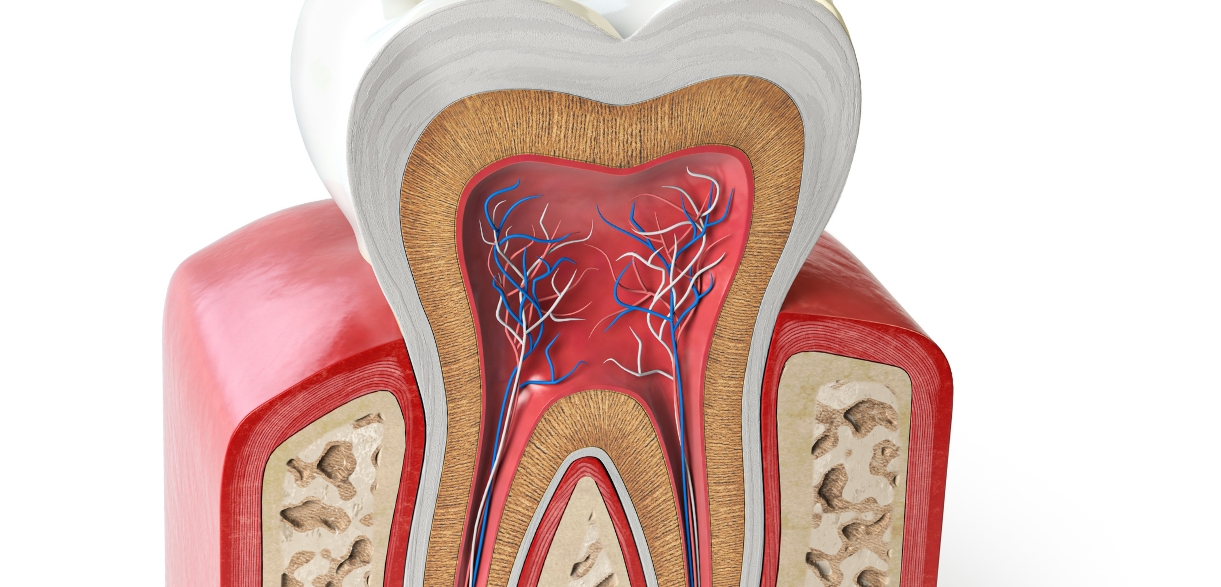
Root canal therapy is a dental procedure used to treat infections in the center of a tooth (the root canal). This infection usually starts when pulp, the soft part of the tooth, becomes infected or inflamed. This type of tooth infection requires root canal therapy, which removes the pulp and seals the tooth to prevent the infection from spreading down the root. This treatment has a reputation for being painful, but with modern techniques, it’s often no more uncomfortable than getting a filling.
1. Persistent Tooth Pain
One of the most common signs that you might need root canal treatment is a painful tooth. It is not the usual pain that changes over time; instead, you will feel tooth pain that does not subside. You might feel this pain while eating or when the tooth is touched, especially when pressure is applied.
Thus, if you experience such pain, it might mean that you are having a deep infection that requires a root canal treatment, to restore the tooth and control your pain. If you ignore the pain, you might end up damaging your tooth, and therefore, you need to visit a dentist.
2. Sensitivity to Hot and Cold
Tooth sensitivity to both hot and cold can indicate dental distress. Are you experiencing sudden, sharp toothaches when drinking hot beverages or eating cold foods? Your tooth nerves may be damaged, perhaps due to an underlying tooth infection. Temporary sensitivity can be part of the symptoms. Still, lingering pain that is not caused by hot or cold food or beverages may indicate an impending need for root canal treatment.
If you notice such symptoms, a root canal consultation with a dentist is essential. Dentists at Westinghouse Dental can provide you with a proper diagnosis and a recommendation on the best course of treatment.
3. Swelling and Tenderness in the Gums
Swollen gums near a specific tooth, especially when the swelling is painful when pressed, can also indicate an infection in that tooth. In such instances, the infection can spread to the gum tissue, causing pain in the gum itself. In such situations, there may also be a bump in the gum tissue near the affected tooth, called a dental abscess, which contains pus and indicates the need for root canal treatment in Georgetown, TX, to save the tooth.
When these symptoms persist, residents must visit our dental office as soon as possible. An untreated abscess can lead to more severe infections and may cause tooth loss.
4. Tooth Discoloration
Do you observe the color of your tooth changing to a darker hue than the rest of your teeth? A tooth that becomes gray or dark brown can indicate a problem with the tooth pulp. When the pulp in the tooth becomes infected or dies, the tooth can turn different shades of color. In most cases, a root canal is needed to fix the problem.
To avoid further complications, it is advisable to visit the dentist as soon as possible if you experience this type of tooth discoloration. This will prompt the dentist to perform a root canal, helping you avoid more serious complications, such as tooth removal.
5. A History of Trauma to the Tooth
When you have suffered trauma or injury to the tooth, especially when this has happened recently, it is possible that this can impact the pulp, regardless of whether you experience pain or not, due to the damage to the nerves and blood vessels of the tooth.
Our dental care practitioner will examine your injured tooth and determine whether the pulp is healthy enough or a root canal is needed. Do not wait for a toothache; it’s always best to act quickly to prevent future problems and tooth loss.
How Root Canal Therapy Helps
Not only does the root canal procedure relieve pain, but it also saves your tooth. It involves removing the pulp, cleaning the tooth, and finally filling it to prevent future infections. This ensures the tooth remains in the same shape, meaning you don’t have to undergo other procedures like tooth extraction.
At Westinghouse Dental, we understand how stressful dental procedures can be. With the latest root canal therapy, the procedure is painless and can help you avoid future complications. Therefore, if you experience any of the above symptoms, please contact us.
Conclusion: Don’t Wait—Act Early
The thought of having to undergo a root canal treatment in Georgetown, TX, may be frightening, but let’s face it, sometimes it’s the best solution to prevent further problems. Having noticed the signs highlighted in this blog post, the next step would be to contact Westinghouse Dental to arrange an appointment. It may help you avoid not only wasted time and money, but also the pain that can accompany the problem if left unchecked. The team is friendly and will assist with the process at every step.
Ready to Save Your Tooth? Book Your Appointment Today
If you’re exhibiting signs of infection or damage to your tooth, you must see a dentist as soon as possible. At Westinghouse Dental, we specialize in root canal therapy. We are dedicated to providing you with a gentle dental experience that improves your oral health. Call us now to set an appointment.
Common Questions People Ask
What are the signs that indicate a need for a root canal?
The signs include a constant toothache or sensitivity, swollen gums, tooth discolouration, or a history of tooth trauma. The dentist will diagnose the need for a root canal through examination, including X-ray tests.
Is a root canal painful?
Some fear root canal therapy as a result of the pain they associate with it. However, root canal therapy today is painless. It involves local anesthesia. The discomfort after a root canal treatment can be managed with over-the-counter pain relievers.
Can a tooth heal on its own without a root canal?
Once pulp inside a tooth becomes infected or damaged, it cannot heal on its own. The infected pulp must then be removed, hence requiring a root canal.
How long does a root canal take?
The procedure takes approximately one to two hours, depending on the complexity of the case. A person should be able to resume normal daily activities the next day.