$99 New Patient Special - Includes Exam, X-Ray and Basic Cleaning

How Cavities Form and What You Can Do to Prevent Them

Cavities are one of the most common dental issues, affecting millions of people each year. If you live in Georgetown, TX, you may already be well aware of concerns about tooth decay, but know that understanding how cavities form and what you can do to prevent them could save you time, money, and pain. Today, we will discuss the process of cavity formation and how you can help ensure a healthy mouth.
What Are Cavities?
Cavities, also called tooth decay, begin to form when a sticky film of bacteria, known as plaque, accumulates on your teeth. Plaque then begins producing acids that can erode your tooth enamel. These small holes left on the tooth are known as cavities. While everyone is susceptible to tooth decay, certain lifestyle habits and oral habits can make you more prone to cavities.
Video source: American Dental Association (ADA)
How Do Cavities Form?
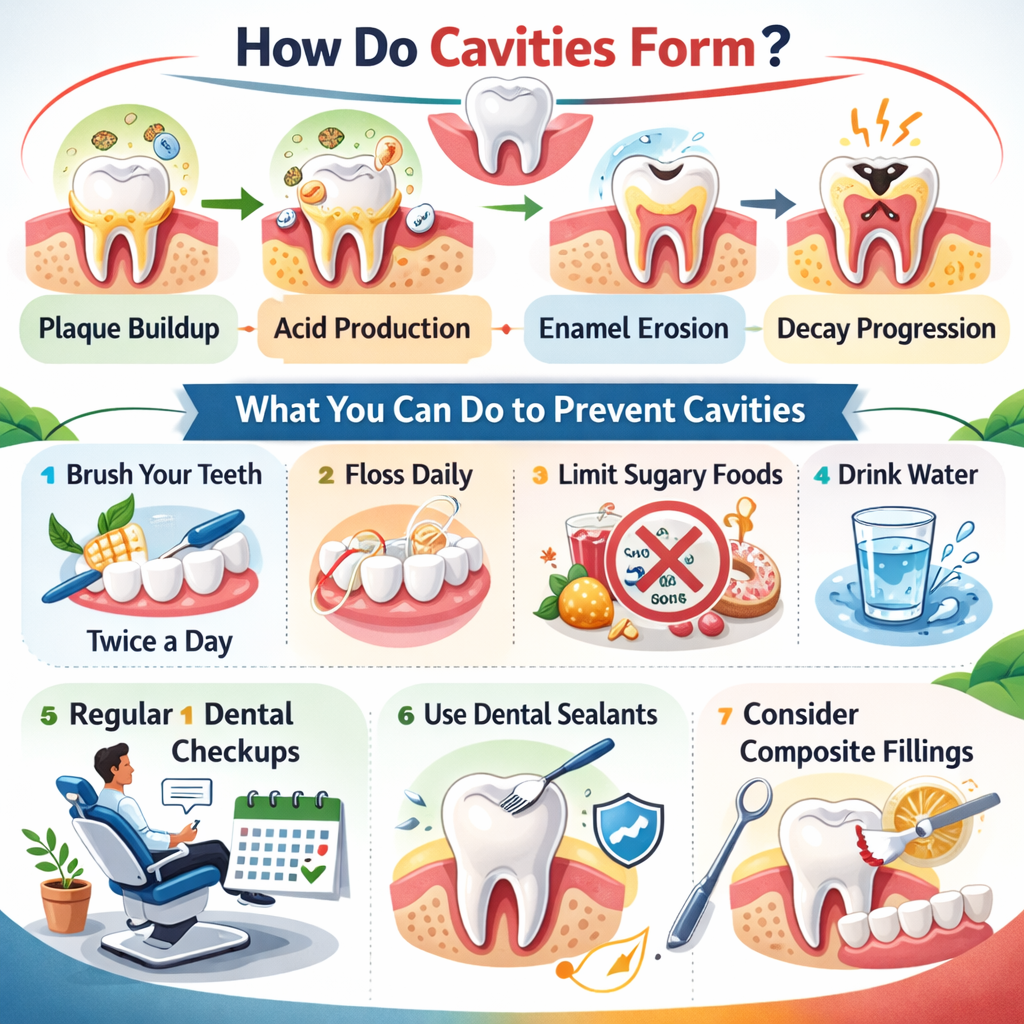
Tooth decay and the formation of cavities are a gradual process. There are several stages to how this happens:
- Plaque buildup: Plaque forms when particles of food are mixed with bacteria on your teeth. This adhesive film can cover parts of your tooth and adhere to your gum line. It is difficult to remove just by brushing.
- Acid production: When plaque mixes with sugar consumed in your food, it creates acids. When there is constant contact with these acids, the outermost layer of your tooth, also known as your enamel, will start to break down.
- Enamel erosion: The constant breaking down of your enamel allows the creation of small holes. When there are many of these holes, your tooth is more susceptible to damage.
- Decay progression: When plaque remains on your teeth, the bacteria and acids it produces will reach deeper layers of the tooth. It may soon reach the dentin, causing further damage and a more sensitive, possibly painful tooth.
To prevent cavities and the progression of decay, many dentists now encourage people to consider composite fillings in Georgetown, TX, to protect and restore their smiles.
What You Can Do to Prevent Cavities
There are many ways you can help prevent cavities. Some simple things to do to keep your teeth healthy and free of cavities include:
1. Brush Your Teeth Often
Regularly brushing your teeth is one of the best ways to prevent plaque buildup. You should brush your teeth twice a day with fluoride toothpaste. Fluoride helps strengthen your enamel so it can better resist the acids produced by bacteria.
2. Floss Daily
Flossing is an excellent way to remove food and plaque between your teeth that your toothbrush cannot reach. By doing this, you can help prevent plaque buildup and reduce your risk of developing cavities between your teeth.
3. Limit Sugary Foods and Drinks
If you limit your consumption of foods and drinks that contain sugar (soda, candy, etc.), you will cut down on the bacteria in your mouth that will produce acids that can eat away at your enamel. Try choosing healthier snacks, such as fruits, vegetables, or nuts.
4. Drinking Water
Drinking enough water throughout the day can help wash away any residual food and bacteria in your mouth after eating. Rinsing with water can reduce the impact of acid exposure in your mouth after eating, particularly when you eat sugary foods, and can also help maintain your mouth’s pH balance.
5. Regular Dentist Appointments
Going to the dentist regularly for checkups or cleanings is important for catching early signs of cavities before they get worse. Cleanings by a dental professional will help to remove plaque buildup that you cannot reach by just brushing your teeth. Routine dental appointments will help ensure that problems with your teeth are addressed promptly before they become more serious.
6. Use Dental Sealants
When applied to the chewing surfaces of your back teeth, dental sealants will provide a protective barrier against bacteria, plaque buildup, and decay in this area of your mouth. Dental sealants are very effective for children, but adults should use them as well.
7. Consider Composite Fillings
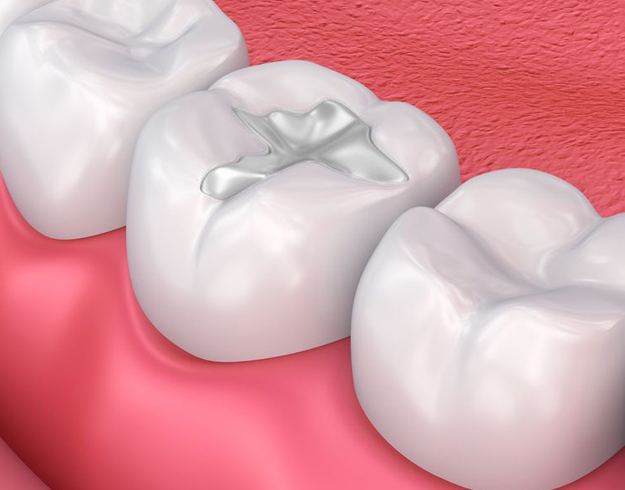
Composite fillings in Georgetown, TX, are a popular choice for patients with dental cavities. They provide an excellent solution for treating cavities because they look like your natural teeth and are long-lasting. They are made of very durable materials that can last for many years (if properly cared for) and are safe to place in your mouth. In addition to restoring the function of your tooth, composite fillings will also help to keep your tooth looking natural. If you live in Georgetown, TX, and need fillings, consider discussing composite fillings with your dentist.
Conclusion: Protect Your Teeth with Simple Habits
Establishing a healthy oral hygiene routine is key to preventing cavities. Brushing your teeth regularly, flossing daily, reducing your intake of sugary foods and drinks, and visiting your dentist regularly are all great ways to keep your teeth healthy and free from decay. If you develop a cavity, composite fillings in Georgetown, TX can help fix your smile and restore your tooth to as close to its original condition as possible.
At Westinghouse Dental, we want our residents to keep their mouths healthy. No matter if you need routine cleanings, restorative care, or preventive services, our dentists are here to provide you with quality care for your dental health.
Are You Ready to Protect Your Teeth?
Don’t wait for cavities to form; schedule your appointment with Westinghouse Dental today to keep your smile healthy and bright for the long term.
Common Questions People Ask
What are composite fillings made of?
Composite fillings are made from a resin material that can be color-matched to your teeth, offering a natural appearance and durability.
How often should I visit the dentist?
It’s recommended to visit your dentist every six months for checkups and cleanings to prevent cavities and other dental issues.
Can cavities be reversed?
In the early stages, cavities can sometimes be remineralized with fluoride treatments, but once decay has progressed, fillings are necessary.
Are composite fillings better than silver fillings?
Composite fillings are preferred for their aesthetic value and ability to blend seamlessly with natural teeth, unlike silver fillings.